

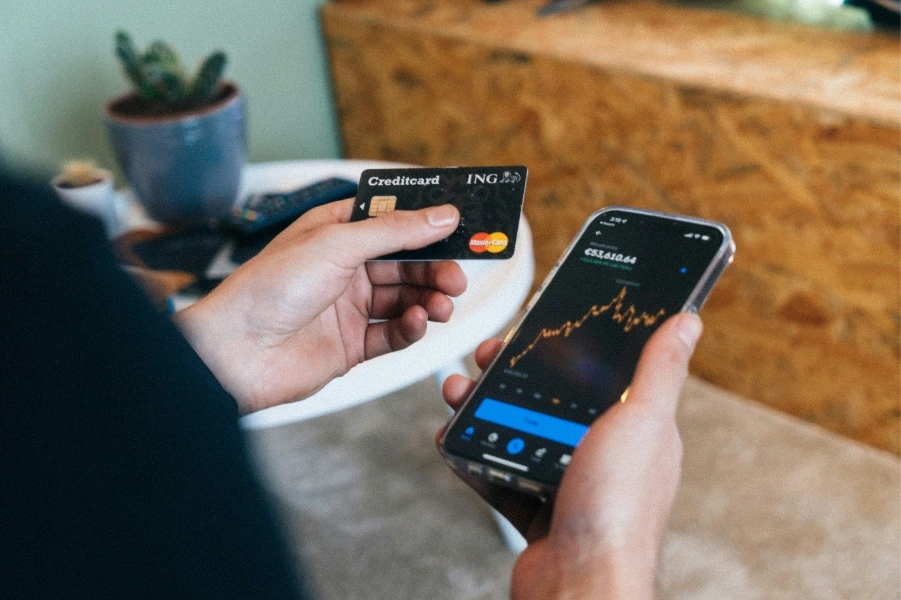
Generation Z, the digital natives, are growing into working members of society, bringing entirely new approaches to workplaces, culture and other spaces. Their financial choices are starting to reshape the banking environment.
This article will examine the younger generation’s behavior regarding banking and the methods they prefer. It will explain the rise in digital payment methods through specialized apps, crypto wallets and other channels, as well as the role of AI in today’s budgeting and any future projections.
The rise of payment apps
Research conducted by Raisin shows that younger generations are more likely to prefer digital banking experiences over traditional ones. Around 24% of Gen Z members use a payment app (Venmo, PayPal, Cash App or others) as their main financial institution.
This shift towards the digital environment has begun among older generations as well, due to the smartphone’s growing popularity. BusinessWire reports that in 2025, digital wallets accounted for 40% of US online payments. This is proof the era of cards is starting to dwindle, since their digital counterparts are more easily accessible, require less pocket space and solve payments in just a few clicks.
With the rise of these wallet apps, Gen Z has also become better acquainted with crypto. Since they’re digital natives, they seem to trust these methods and adapt to them more readily than older generations.
Crypto payments have also become more popular in online gambling, where crypto-friendly casinos accept deposits and withdrawals in cryptocurrencies and stablecoins, besides traditional cards and e-wallets. Playing at casinos is restricted to minors, which means that only people over the age of 18 can enjoy this activity.
Buy Now, Pay Later
Another practice that has been on the rise lately is Buy Now, Pay Later (BNPL). eMarketer found that around 55.1% of Gen Z buyers have used this type of service. It is a short-term financing option, similar to a loan, that allows customers to buy products immediately while spreading the cost into smaller installments over time.

This option is usually interest-free, which makes it more affordable than classic bank loans. The person receives all the money for the desired purchase and then pays the remaining balance to the BNPL service over a set period, typically by setting up automatic payments.
Older generations tend to be wary of this category of services. Zoomers and Millennials are more likely to use BNPL, but it does not come without its risks. Users can find themselves overspending more than they can afford to pay back. In addition, these methods are less regulated than credit cards, resulting in a lower level of protection for customers.
Budgeting in the AI era
Because AI is an ever-present factor in the lives of younger generations, it is only natural that it plays an important role in budgeting. Gone are the days when budgeting meant calculating and planning out the expenses on a blank piece of paper. Nowadays, the Excel spreadsheets and digital planners get the job done just right.
More and more people are using AI in their budgeting. According to TD’s AI Insights Report, around 78% of Americans use AI tools, but only 18% would trust the machine’s recommendations for financial decisions. Human involvement is still a central part of financial dealings that people of all ages cherish.
Future projections
The digital trend is rising, and projections indicate that at least 4 million Gen Z consumers will open accounts each year by 2026. Slowly, traditional markets will fade in the face of modern online banking from the comfort of home, without bank visits and exceedingly complicated contracts.
Alternative digital wallets are also on the rise; according to eMarketer forecasts, the percentage of Gen Z crypto owners will increase through 2028. It shows that Zoomers are changing the norms, taking their chance with volatile options in a world of constant change.
Conclusion
The digital revolution has taken its toll on the financial landscape as well. The coming of age of Gen Z has only accelerated this process of modernization, as their preferences align with the ease of internet banking they have grown up with.
Older generations remain cautious about digital methods, e-wallets and BNPL methods; meanwhile, youngsters embrace these. They invest in crypto, mainly opt for payment apps and use AI to plan their budgets. Forecasts predict that more users will adopt these models as more Gen Z people become eligible to use them.
