

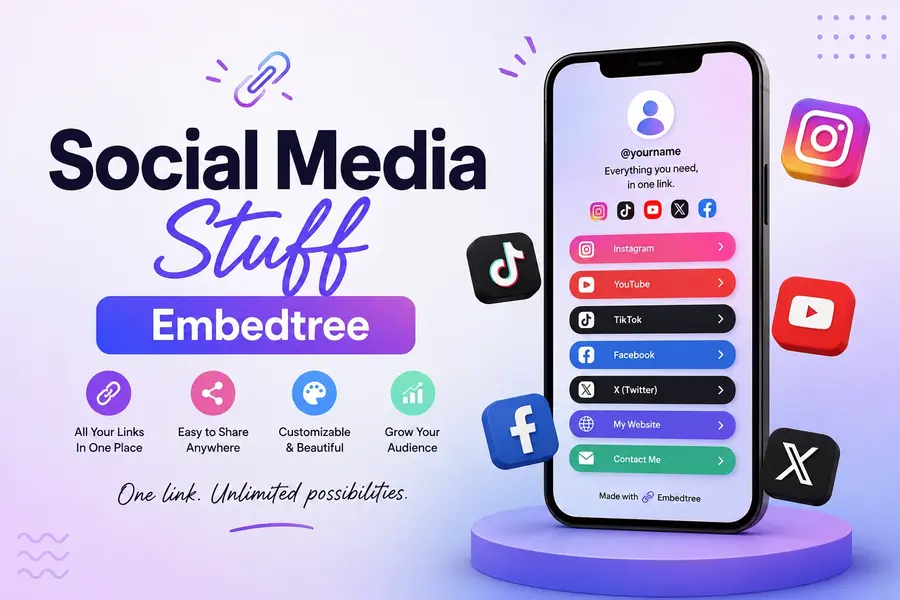
Social media has become an essential part of how people communicate, promote businesses, build communities, and share ideas online. With content appearing across platforms such as Instagram, Facebook, TikTok, YouTube, and X, keeping everything organized can become challenging. This is where social media stuff embedtree can be a useful concept for bringing different types of online content together in one accessible place.
Instead of sending audiences from one social platform to another, an organized social content hub can make it easier to present important links, posts, profiles, videos, and updates. For creators and businesses, this approach can improve the way audiences interact with their digital presence.
A well-structured social media strategy is no longer limited to publishing individual posts. It also involves organizing content, creating convenient access points, and making digital experiences easier for visitors.
What Social Media Content Organization Means
Social media content organization is the process of organizing various online profiles, links, posts, videos, and others in a clear and useful structure.
If there’s no organization, viewers might need to go through multiple platforms to get the information they need. That friction can be minimized by having a central content page to gather key locations into one spot.
For instance, a creator could include links to their YouTube channel, Instagram profile, online shop, newsletter, blog and portfolio. These resources can be delivered in a single digital hub instead of using a series of links across various places.
It’s a great way to people who have multiple social accounts. Adds uniformity for followers to find the most recent content and select which platform they want to follow.
How Embed-Style Social Content Can Help
Embedding social content can make websites and digital pages more interactive.
Instead of simply displaying a collection of text links, embedded content can provide visitors with a more visual way to interact with social media resources. Depending on the platform and available tools, this may include feeds, videos, social posts, profile links, or other media.
One major advantage is convenience. Visitors can see relevant content without repeatedly searching for a creator or business on different platforms.
For businesses, embedded social content can also strengthen credibility. Showing recent social activity, customer interactions, or published media can make a website feel more active and connected to its wider online presence.
However, embedded content should be used thoughtfully. Too many feeds, videos, or interactive elements can make a page slow or difficult to navigate.
Benefits for Creators and Businesses
A centralized social content strategy can provide several benefits for different types of users.
Creators can use it to showcase their work and guide followers toward their most important platforms. A photographer, for example, might combine portfolio links, Instagram updates, YouTube tutorials, and contact information in one place.
Small businesses can use a similar approach to connect customers with social profiles, product pages, reviews, promotional campaigns, and contact options.
Another benefit is brand consistency. Using a clear structure and recognizable visual identity across social channels can help audiences understand that different profiles belong to the same creator or organization.
Social content hubs can also make campaigns easier to manage. Instead of repeatedly sharing multiple links, a business can direct users to one central destination and update the available resources as campaigns change.
Creating an Effective Social Media Hub
A useful social media hub should be simple, organized, and focused on the visitor.
Start by identifying the most important destinations. Not every social account needs to receive equal attention. Prioritize platforms that generate the most engagement or are most relevant to the target audience.
Clear labels are also important. Instead of using vague descriptions, explain what users will find when they select each option.
For example, labels such as “Watch Our Latest Videos,” “Follow Us on Instagram,” or “Shop Our Products” provide more context than generic buttons.
Visual consistency matters as well. Fonts, colors, logos, images, and spacing should support the overall brand identity without overwhelming visitors.
Mobile optimization should be another priority. Many social media users access links through smartphones, so the page should remain easy to navigate on smaller screens.
Social Media Stuff Embedtree and Audience Engagement
Audience engagement is one of the most important goals of social media marketing.
A centralized content experience can encourage visitors to move from passive viewing to active participation. After seeing a recent video or post, users may follow an account, subscribe to a newsletter, visit an online store, or contact a business.
The key is to provide clear next steps.
For example, a creator could place a recent video near a prominent follow button. A business could display customer-focused social content alongside a link to its services.
This creates a more connected journey between social media and other digital channels.
Engagement should not be measured only by clicks. Businesses can also evaluate follower growth, website visits, conversions, sign-ups, and interactions to understand whether their content strategy is producing meaningful results.
Common Mistakes to Avoid
An error often made is having too many links on a single page.
If the visitor is presented with a long list of options, he or she might be overwhelmed trying to figure out which one is most important. So if a resource is more valuable to you, it gets more attention and it’s a cleaner experience.
One problem is the lack of updated information. A broken link, inactive social profiles, or old campaigns can give a digital hub a neglected look.
This is why regular maintenance is crucial.
It’s important for businesses not to automatically add all social feeds either. The content should have a function and be useful to the visitor.
Furthermore, the privacy and platform policies of the third party using content should be taken into account in using third-party social content. Owners of the websites should use valid embedding techniques and abide by the rules of every platform.
Last, but not least, social media must not be the primary component of a digital marketing plan, but rather one of many digital marketing methods that must be integrated into a wider strategy.
Final Thought
Social media stuff embedtree represents the broader idea of organizing social content into a convenient and engaging digital experience. As creators and businesses continue managing multiple online platforms, having a clear central destination can make it easier for audiences to find, follow, and interact with valuable content.
The most effective approach is not necessarily to include every possible social channel. Instead, focus on the platforms and resources that matter most to the audience. Keep the design simple, update links regularly, optimize the experience for mobile users, and provide clear actions.
When social media organization is combined with strong content and thoughtful digital strategy, it can help turn scattered online profiles into a more connected brand experience.
FAQs
What does social media content organization mean?
It means arranging social profiles, links, posts, videos, and other digital resources in a structured format that makes them easier for audiences to access.
What is the purpose of a social media content hub?
A social media hub provides one convenient location where visitors can access important social profiles, content, websites, products, or other online resources.
Can businesses benefit from organizing social media content?
Yes. Businesses can use organized social content to improve navigation, strengthen brand visibility, connect customers with important resources, and encourage engagement.
Should every social media account be included?
Not necessarily. It is usually better to prioritize active platforms that are relevant to the audience and contribute to the overall marketing strategy.
Why is mobile optimization important?
Many users access social media through smartphones. A mobile-friendly content hub makes links and embedded resources easier to view and interact with.
How often should a social media hub be updated?
It should be reviewed regularly to remove broken links, replace outdated campaigns, and highlight current content or important resources.
