

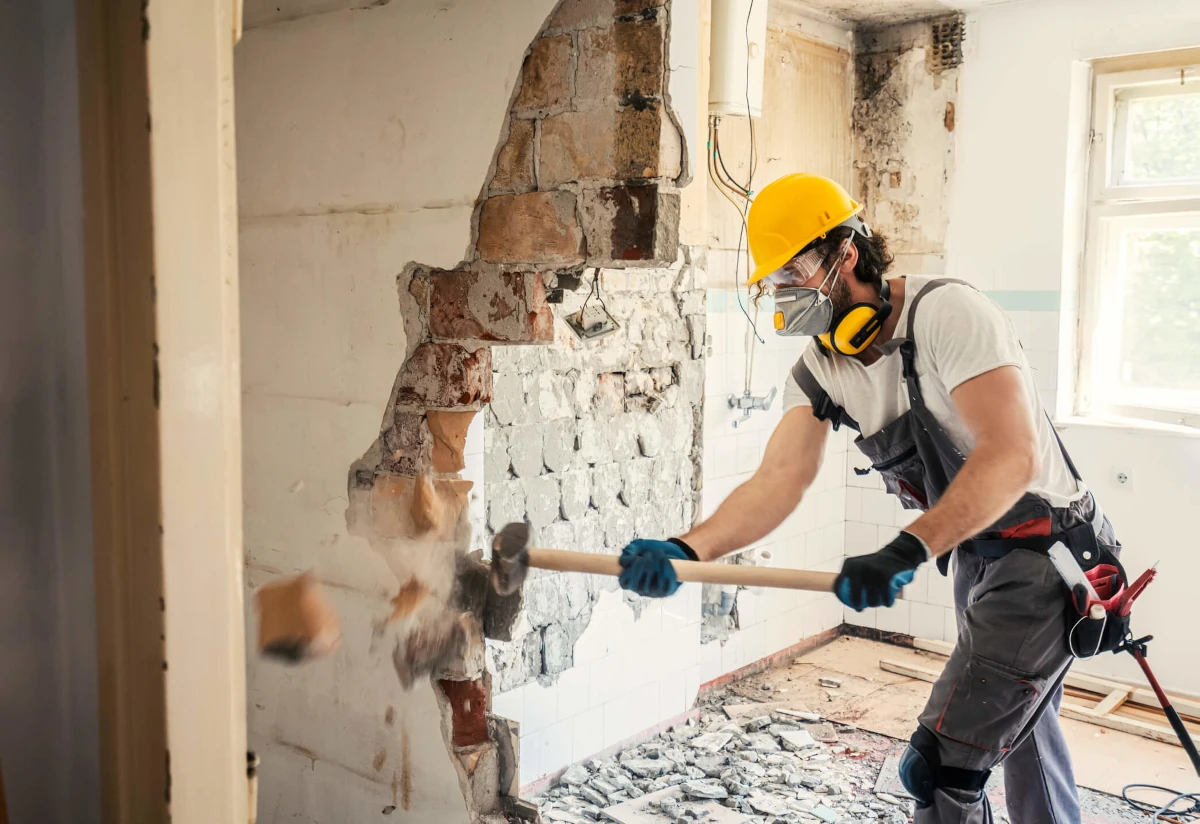
How to Start a Demolition Business is a question many aspiring entrepreneurs ask when looking for opportunities in the construction and property development industry. Demolition services play a vital role in preparing sites for new buildings, renovations, infrastructure projects, and land redevelopment. As cities continue to grow and older structures require replacement or renovation, the demand for professional demolition contractors remains strong.
Starting a demolition company can be profitable, but it requires careful planning, industry knowledge, safety compliance, and the right equipment. Unlike many small businesses that can be launched with minimal investment, demolition operations involve specialized machinery, permits, insurance coverage, and skilled workers.
The good news is that with proper preparation and a clear business strategy, it is possible to establish a successful demolition company that serves residential, commercial, and industrial clients. This guide covers the essential steps, costs, licensing requirements, equipment needs, marketing strategies, and growth opportunities involved in building a demolition business.
Understand the Demolition Industry and Market Demand
Before launching any business, understanding the industry is critical. The demolition sector is closely connected to construction, real estate development, infrastructure projects, and urban renewal efforts.
Demolition companies typically provide services such as:
- Residential structure demolition
- Commercial building demolition
- Interior demolition
- Selective demolition
- Concrete removal
- Site clearing
- Debris removal
- Land preparation
- Recycling and material recovery
Researching your local market helps identify opportunities and competition. Some regions may have increasing demand due to population growth and new development projects, while others may focus heavily on renovation and rebuilding.
Evaluate competitors in your area by examining their services, pricing models, customer reviews, and project types. Understanding market gaps can help you position your company more effectively.
For example, some demolition businesses specialize in small residential projects, while others focus on large-scale commercial structures. Identifying a niche can make it easier to build expertise and establish a reputation.
Industry research also helps estimate startup costs, equipment requirements, and potential revenue opportunities.
Create a Business Plan and Financial Strategy
A solid business plan serves as the foundation of your company. It outlines your goals, target market, operational strategy, and financial projections.
Your business plan should include:
- Company overview
- Services offered
- Market analysis
- Competitive advantages
- Marketing strategy
- Startup costs
- Revenue projections
- Staffing requirements
- Equipment needs
Financial planning is especially important in the demolition industry because startup expenses can be substantial.
Common startup costs include:
- Business registration
- Licensing and permits
- Insurance coverage
- Equipment purchases or rentals
- Vehicle expenses
- Safety equipment
- Employee wages
- Marketing costs
- Office setup
Many entrepreneurs begin by renting equipment rather than purchasing everything immediately. This approach reduces upfront investment while allowing the business to generate revenue.
Funding options may include personal savings, business loans, equipment financing, investors, or government-supported small business programs.
Accurate budgeting helps prevent cash flow issues and improves long-term stability.
Obtain Licenses, Permits, and Insurance Coverage
Legal compliance is one of the most important aspects of operating a demolition company. Requirements vary by location, so it is essential to understand local regulations before accepting projects.
Most demolition businesses need:
- Business registration
- Contractor licensing
- Demolition permits
- Environmental permits
- Waste disposal approvals
- Employee certifications
Many jurisdictions require inspections before demolition begins, particularly when hazardous materials may be present.
Insurance is equally important because demolition work carries significant risks.
Common insurance policies include:
- General liability insurance
- Workers’ compensation insurance
- Commercial vehicle insurance
- Equipment insurance
- Professional liability coverage
Proper insurance protects your company against accidents, property damage, employee injuries, and legal claims.
Failure to obtain the necessary permits or insurance can result in fines, lawsuits, project delays, and reputational damage.
Consulting local authorities and legal professionals can help ensure full compliance with applicable regulations.
Invest in the Right Equipment and Safety Systems
Equipment represents one of the largest investments for a demolition company. The specific machinery required depends on the services you plan to offer.
Common demolition equipment includes:
- Excavators
- Hydraulic breakers
- Skid steer loaders
- Bulldozers
- Dump trucks
- Concrete crushers
- Cutting tools
- Safety barriers
- Dust control systems
For new businesses, equipment rental can be a practical alternative to purchasing expensive machinery outright.
In addition to equipment, safety should always be a top priority. Demolition projects involve risks such as falling debris, structural instability, dust exposure, electrical hazards, and heavy machinery accidents.
Essential safety measures include:
- Protective helmets
- Safety glasses
- High-visibility clothing
- Respirators
- Gloves
- Steel-toe boots
- Safety training programs
Developing clear safety procedures helps protect workers and improves project efficiency.
Regular equipment inspections and maintenance also reduce the risk of costly breakdowns and workplace incidents.
Clients often prefer contractors with strong safety records, making safety management a competitive advantage.
Build a Skilled Team and Establish Operations
A successful demolition company depends on experienced and reliable personnel. Even with advanced machinery, skilled workers remain essential for safe and efficient project execution.
Your team may include:
- Equipment operators
- Site supervisors
- Laborers
- Truck drivers
- Safety coordinators
- Administrative staff
Hiring individuals with construction or demolition experience can improve project outcomes and reduce training requirements.
Ongoing training is equally important because industry regulations, safety standards, and equipment technology continue to evolve.
Operational efficiency also plays a major role in profitability. Establishing clear workflows helps projects stay on schedule and within budget.
Important operational processes include:
- Project assessment
- Site inspections
- Permit management
- Safety planning
- Equipment scheduling
- Waste disposal coordination
- Customer communication
Strong project management systems help ensure consistent service quality and customer satisfaction.
Using scheduling software and project management tools can improve organization and reduce administrative burdens.
Market Your Demolition Business Effectively
Even the most skilled demolition company needs a strong marketing strategy to attract clients and generate consistent work.
A professional website is often the first step. Your website should include:
- Service descriptions
- Project photos
- Contact information
- Customer testimonials
- Service areas
- Quote request forms
Search engine optimization (SEO) can help potential customers find your business online when searching for demolition services.
Local SEO is particularly important because demolition projects are typically location-based.
Other effective marketing methods include:
- Google Business Profile optimization
- Social media marketing
- Construction industry networking
- Referral programs
- Direct outreach to contractors
- Real estate partnerships
- Property management partnerships
Building relationships with construction companies can be especially valuable because they frequently require demolition services before beginning new projects.
Customer reviews also play a significant role in establishing trust. Encourage satisfied clients to leave positive reviews on relevant platforms.
Consistent branding and professional communication help position your company as a reliable contractor.
Grow and Scale Your Demolition Company
Once your business becomes established, growth opportunities can increase profitability and market presence.
One approach is expanding service offerings. In addition to demolition, many companies provide:
- Site preparation
- Excavation services
- Land clearing
- Concrete removal
- Recycling services
- Debris hauling
Diversification can create additional revenue streams and reduce reliance on a single service category.
Geographic expansion may also increase opportunities. Serving nearby cities or regions can help capture larger projects and new client segments.
Investing in additional equipment can improve efficiency and reduce rental expenses over time.
Building a strong reputation remains one of the most effective growth strategies. Consistently delivering safe, high-quality work encourages repeat business and referrals.
Tracking key performance indicators such as project profitability, customer acquisition costs, and employee productivity can support informed decision-making.
Long-term success often comes from balancing operational excellence with strategic growth initiatives.
Final Thought
How to Start a Demolition Business involves much more than simply tearing down structures. It requires careful planning, legal compliance, financial management, skilled personnel, specialized equipment, and a commitment to safety. While the startup costs can be significant, the industry offers strong opportunities for entrepreneurs willing to invest in quality service and professional operations.
By researching your market, creating a detailed business plan, securing proper licensing, investing in safety systems, building a capable team, and implementing effective marketing strategies, you can establish a competitive demolition company with long-term growth potential.
Success in this field depends on consistency, professionalism, and a willingness to adapt as industry demands evolve. With the right approach, a demolition business can become a valuable and profitable part of the construction and development sector.
