

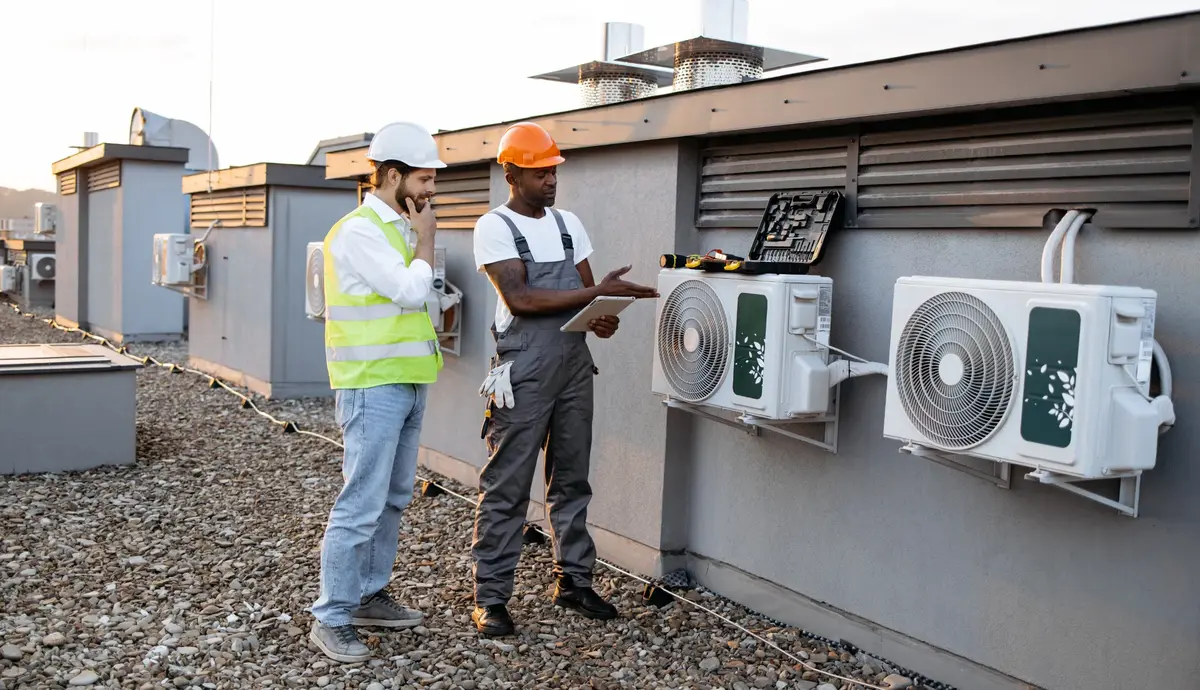
Energy efficient air conditioning for commercial HVAC systems has become a top priority for modern businesses facing rising utility costs and increasing pressure to operate sustainably. Commercial buildings rely heavily on HVAC systems to maintain comfortable indoor environments for employees, customers, and equipment. However, traditional cooling systems often consume excessive energy, leading to high operational expenses and unnecessary environmental impact.
Today, businesses are shifting toward smarter, more efficient HVAC solutions that balance comfort with cost control. From system upgrades to operational improvements, energy efficiency is no longer optional—it is a strategic necessity for long-term business success. Understanding how commercial air conditioning systems work and how to optimize them can significantly improve both performance and profitability.
This guide breaks down practical strategies, system choices, and operational techniques that help businesses achieve better efficiency without compromising indoor comfort.
Table of Contents
ToggleUnderstanding Commercial HVAC Energy Consumption
Commercial HVAC systems are among the largest energy consumers in office buildings, retail spaces, hospitals, and industrial facilities. These systems run for long hours and often support large spaces, making efficiency a critical concern.
Several factors influence energy consumption in commercial air conditioning systems:
- Building size and occupancy levels
- Climate conditions and seasonal variations
- Equipment age and efficiency rating
- Maintenance quality and frequency
- Ventilation requirements and air quality standards
Older systems typically consume significantly more electricity due to outdated technology and reduced performance over time. Even small inefficiencies, when multiplied across operating hours, can result in substantial monthly energy waste.
In many cases, businesses are unaware of how much energy is being lost through poor insulation, duct leaks, or improperly calibrated thermostats. Identifying these inefficiencies is the first step toward reducing overall HVAC costs.
Choosing the Right Energy Efficient HVAC System
Selecting the right system is one of the most important decisions for improving energy efficiency in commercial spaces. Not all air conditioning systems are designed for the same purpose, and choosing the wrong one can lead to long-term inefficiencies.
Modern energy-efficient systems include advanced technologies such as variable speed compressors, improved refrigerants, and intelligent control systems.
When evaluating options, businesses should consider:
System Sizing and Load Calculation
Proper sizing ensures the system matches the building’s cooling demand. Oversized systems waste energy through frequent cycling, while undersized systems struggle to maintain temperature and run continuously.
High Efficiency Ratings
Look for systems with strong performance ratings, which indicate lower energy consumption for the same cooling output.
Variable Refrigerant Flow (VRF) Systems
VRF systems adjust refrigerant flow based on demand, making them highly efficient for large and multi-zone buildings.
Energy Recovery Ventilation Systems
These systems reuse energy from exhaust air to pre-condition incoming fresh air, reducing overall cooling load.
Working with HVAC professionals to conduct a detailed energy audit can help identify the most suitable system for a specific commercial environment.
Smart Controls and Automation in HVAC Systems
Technology has transformed commercial air conditioning, making it more efficient, responsive, and cost-effective. Smart HVAC controls allow businesses to manage energy usage with precision and reduce unnecessary consumption.
Modern systems include automation features such as:
- Programmable temperature scheduling
- Occupancy-based cooling adjustments
- Remote system monitoring and control
- Real-time energy usage tracking
- Predictive maintenance alerts
For example, a commercial office can automatically reduce cooling during nights and weekends when occupancy is low. Similarly, sensors can adjust temperature in specific zones rather than cooling the entire building uniformly.
Building management systems (BMS) take this even further by integrating HVAC with lighting, security, and ventilation systems. This coordinated approach ensures energy is used only when and where it is needed.
Over time, these smart controls significantly reduce operational costs while maintaining consistent comfort levels.
Maintenance Practices That Improve HVAC Efficiency
Even the most advanced energy-efficient system will underperform without proper maintenance. Regular servicing ensures that all components operate at peak efficiency and prevents costly breakdowns.
Essential maintenance practices include:
Air Filter Replacement
Clogged filters restrict airflow and force systems to work harder, increasing energy usage.
Coil Cleaning
Dirty evaporator and condenser coils reduce heat exchange efficiency and increase operating time.
Duct Inspection and Sealing
Leaky ducts can waste a large percentage of cooled air before it reaches the intended space.
Refrigerant Level Checks
Incorrect refrigerant levels reduce cooling efficiency and may damage system components over time.
Scheduled Professional Servicing
Routine inspections help detect early signs of wear, preventing expensive repairs and performance losses.
Preventive maintenance is not just about avoiding breakdowns—it is a direct investment in energy savings and system longevity.
Building Design and Environmental Efficiency
Energy efficiency is not only about HVAC equipment but also about how a building is designed and maintained. A well-designed building reduces the load placed on air conditioning systems, improving overall performance.
Key building improvements include:
Insulation Upgrades
Proper insulation reduces heat transfer, helping maintain indoor temperatures with less energy.
Window Efficiency Improvements
Energy-efficient windows and coatings reduce heat gain from sunlight.
Air Sealing
Closing gaps around doors, windows, and structural joints prevents cooled air from escaping.
Reflective Roofing Materials
Cool roofs reflect sunlight and reduce heat absorption, lowering indoor temperatures naturally.
Lighting Optimization
Switching to LED lighting reduces both electricity usage and heat generation, lowering cooling demand.
When combined with efficient HVAC systems, these improvements create a highly optimized energy environment for commercial spaces.
Cost-Saving Strategies for Long-Term Efficiency
Reducing HVAC costs requires a combination of technology upgrades, operational discipline, and behavioral changes. Small adjustments can lead to significant long-term savings.
Effective cost-saving strategies include:
- Setting optimal thermostat ranges based on occupancy
- Using zoning systems to cool only occupied areas
- Training employees on energy-efficient practices
- Monitoring monthly energy usage trends
- Upgrading outdated HVAC components gradually
- Using ceiling fans to support air circulation
Employee participation plays an important role in energy efficiency. Simple habits such as keeping doors closed and reporting HVAC issues early can prevent unnecessary energy waste.
Businesses should also regularly analyze utility bills to identify patterns and detect inefficiencies early. This proactive approach helps avoid unexpected spikes in energy costs.
Final Thought
Energy efficient air conditioning for commercial HVAC systems is a crucial investment for any business aiming to reduce operational costs and improve sustainability. As energy prices continue to rise, efficiency-focused HVAC solutions are becoming essential rather than optional.
The most effective approach combines modern technology, proper system selection, routine maintenance, and smart building design. Businesses that take a comprehensive view of HVAC efficiency not only reduce expenses but also improve indoor comfort and system reliability.
By integrating energy-efficient equipment with smart controls and proactive maintenance, commercial spaces can achieve consistent performance while significantly lowering energy consumption. Over time, these improvements contribute to stronger financial performance and a more sustainable business operation.
FAQs
What makes a commercial HVAC system energy efficient?
An energy-efficient HVAC system uses advanced components like variable speed compressors, smart controls, and high-efficiency ratings to reduce electricity consumption while maintaining comfort.
How much energy can be saved with efficient air conditioning systems?
Depending on system type and building conditions, businesses can save anywhere from 20% to 40% or more on cooling-related energy costs.
How often should commercial HVAC systems be maintained?
Most systems should be professionally serviced at least twice a year, with regular filter checks and inspections throughout the year.
Are smart HVAC controls worth the investment?
Yes. Smart controls optimize temperature settings, reduce unnecessary cooling, and often provide a strong return on investment through reduced energy bills.
What is the role of building design in HVAC efficiency?
Building design significantly impacts energy use. Proper insulation, sealed air leaks, and energy-efficient windows reduce cooling demand and improve system performance.
Can upgrading old HVAC systems reduce costs immediately?
Yes. Replacing outdated systems with modern energy-efficient units can lead to immediate and long-term reductions in electricity consumption.
What is the most effective way to reduce commercial HVAC costs?
A combination of efficient equipment, smart controls, regular maintenance, and building improvements delivers the best long-term cost reduction results.
