

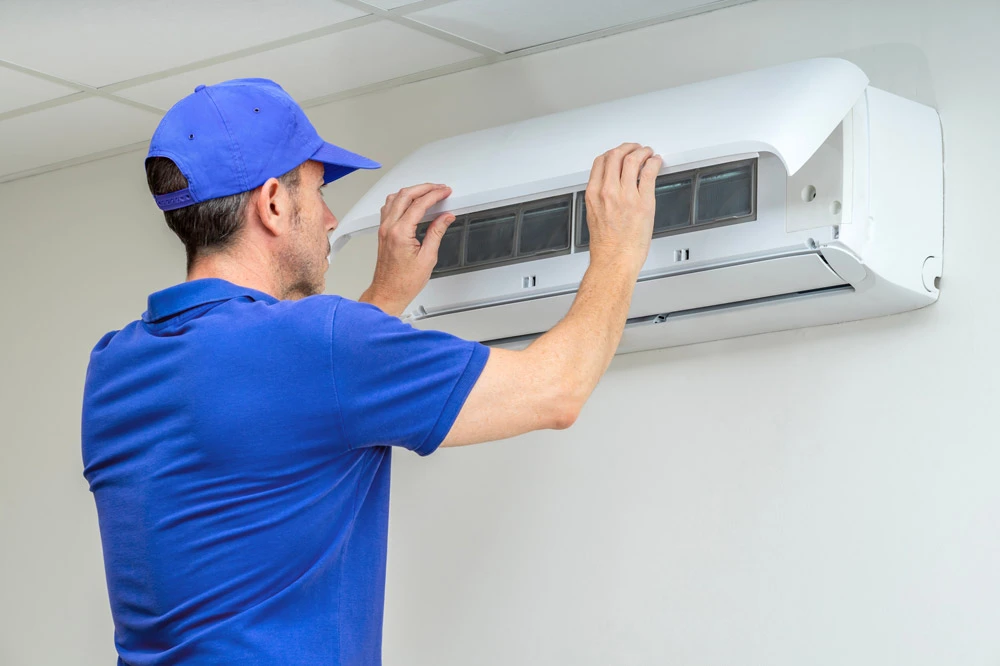
The HVAC industry continues to grow as homeowners and businesses rely on heating, ventilation, and air conditioning systems throughout the year. Whether it’s installing new air conditioners, repairing furnaces, or maintaining commercial HVAC systems, skilled contractors remain in high demand.
If you’re wondering how to start a heating and air conditioning business, you’re entering an industry with excellent earning potential and long-term stability. However, success requires much more than technical expertise. You need a clear business plan, proper licensing, reliable equipment, effective marketing, and strong customer service.
This guide walks you through every important step so you can build a profitable HVAC business from the ground up.
Create a Business Plan and Understand Your Market
Before purchasing equipment or registering your company, it’s important to understand your local market and create a business strategy.
A business plan serves as your roadmap and helps you make informed decisions as your company grows.
Start by researching your target market. Consider factors such as:
- Residential versus commercial services
- Local competition
- Average HVAC service rates
- Seasonal demand patterns
- Population growth in your area
- New construction activity
Identify the services you plan to offer. Many HVAC companies specialize in areas such as:
- Air conditioning installation
- Heating system repair
- Preventive maintenance
- Ductwork installation
- Indoor air quality solutions
- Commercial HVAC services
- Emergency repair services
Your business plan should also include startup costs, revenue projections, marketing strategies, and growth goals.
Having a clear vision from the beginning makes it easier to secure financing and stay focused as challenges arise.
Obtain Licenses, Certifications, and Insurance
One of the most important steps in starting an HVAC company is ensuring legal compliance.
Requirements vary by state and country, but most HVAC businesses must obtain appropriate licenses before operating.
Common requirements include:
- Business registration
- HVAC contractor license
- Local permits
- Tax registration
- Employer identification numbers
- Environmental certifications
In the United States, technicians handling refrigerants typically need EPA Section 608 certification. Other regions may have similar regulatory requirements.
Insurance is equally important.
Consider obtaining:
- General liability insurance
- Commercial auto insurance
- Workers’ compensation insurance
- Property insurance
- Professional liability coverage
Proper insurance protects your business from unexpected financial losses and helps build trust with customers.
Many commercial clients will require proof of insurance before signing contracts.
Purchase Equipment and Build Your Service Infrastructure
Your equipment will directly impact the quality and efficiency of your services.
While startup costs can be significant, investing in reliable tools helps reduce downtime and improve customer satisfaction.
Essential HVAC equipment often includes:
- Refrigerant gauges
- Vacuum pumps
- Leak detectors
- Manifold gauge sets
- Electrical testing tools
- Recovery machines
- Hand tools
- Safety equipment
You’ll also need transportation.
Many HVAC companies begin with a single service van and gradually expand their fleet as the business grows.
Beyond physical equipment, establish operational systems for:
- Scheduling appointments
- Customer communication
- Invoice management
- Payment processing
- Inventory tracking
- Service documentation
Modern HVAC software can help streamline these tasks and improve overall efficiency.
Technology allows small businesses to compete more effectively while providing a better customer experience.
Set Pricing, Hire Staff, and Establish Service Standards
Pricing your services correctly is critical for profitability.
Many new business owners make the mistake of charging too little in an effort to attract customers. While competitive pricing matters, your rates must cover expenses and generate sustainable profits.
Consider the following costs when setting prices:
- Labor
- Equipment
- Vehicle expenses
- Fuel
- Insurance
- Marketing
- Administrative overhead
- Taxes
Research local competitors to understand average market rates.
Some HVAC companies charge flat rates, while others bill hourly. Many successful businesses use a combination of both depending on the service provided.
As your company grows, you may need additional staff.
Potential hires include:
- HVAC technicians
- Installers
- Dispatchers
- Customer service representatives
- Sales professionals
Focus on building a reputation for quality workmanship and professionalism.
Establish clear service standards that emphasize:
- Punctuality
- Honest communication
- Clean job sites
- Accurate estimates
- Safety compliance
- Customer satisfaction
Strong service standards often lead to repeat business and valuable referrals.
Market Your Heating and Air Conditioning Business
Even the most skilled HVAC technicians need effective marketing to generate consistent leads.
Today’s customers often search online when they need heating or cooling services, making digital marketing essential.
Start by creating a professional website that includes:
- Service descriptions
- Contact information
- Customer testimonials
- Service area details
- Online booking options
Search engine optimization (SEO) can help your website appear in local search results when potential customers look for HVAC services.
Optimize your website for terms related to:
- Air conditioner repair
- Furnace installation
- HVAC maintenance
- Emergency HVAC service
- Local heating and cooling contractors
Claim and optimize your business profiles on major online directories.
Customer reviews play a major role in purchasing decisions. Encourage satisfied customers to leave reviews and respond professionally to all feedback.
Additional marketing strategies include:
- Social media marketing
- Pay-per-click advertising
- Direct mail campaigns
- Referral programs
- Community sponsorships
- Email marketing
Building strong relationships within your community can significantly increase word-of-mouth referrals.
Many successful HVAC businesses grow through reputation and customer recommendations.
Final Thought
Learning how to start a heating and air conditioning business involves much more than technical knowledge. Building a successful company requires careful planning, legal compliance, quality equipment, effective marketing, and exceptional customer service.
The HVAC industry offers significant opportunities for entrepreneurs willing to invest time and effort into building a professional operation. By focusing on customer satisfaction, maintaining high service standards, and continuously improving your skills, you can establish a business that generates consistent revenue for years to come.
Start with a solid foundation, create systems that support growth, and prioritize long-term relationships with customers. Those principles will help your heating and air conditioning business stand out in a competitive market and achieve sustainable success.
FAQs
How much does it cost to start a heating and air conditioning business?
Startup costs vary depending on location, equipment needs, licensing requirements, and vehicle expenses. Many small HVAC businesses start with investments ranging from $10,000 to $100,000 or more.
Do I need an HVAC license to start the business?
In most regions, yes. Licensing requirements vary by location, so check local regulations before offering HVAC services.
Is the HVAC industry profitable?
Yes. The HVAC industry can be highly profitable due to ongoing demand for installation, repair, and maintenance services in both residential and commercial markets.
What services should a new HVAC company offer?
Many new businesses begin with installation, repairs, preventive maintenance, and emergency services before expanding into specialized offerings.
How can I get my first HVAC customers?
A professional website, local SEO, online reviews, referrals, social media marketing, and community networking can help attract your first customers.
Should I focus on residential or commercial HVAC services?
Residential services are often easier for new businesses to enter, while commercial projects may offer larger contracts and long-term maintenance agreements.
What insurance does an HVAC business need?
Most HVAC companies require general liability insurance, commercial vehicle insurance, workers’ compensation, and other coverage depending on business size and services offered.
How long does it take to build a successful HVAC company?
The timeline varies, but many businesses require several years of consistent effort, quality service, and effective marketing to establish a strong customer base and steady revenue.
