

Opelika doesn’t always get the spotlight. Its neighbor, Auburn, tends to steal the headlines with its university and football Saturdays. But plenty of families, remote workers, retirees, and small business owners are quietly choosing Opelika for its brick-lined downtown, slower pace, and easy access to everything East Alabama offers.
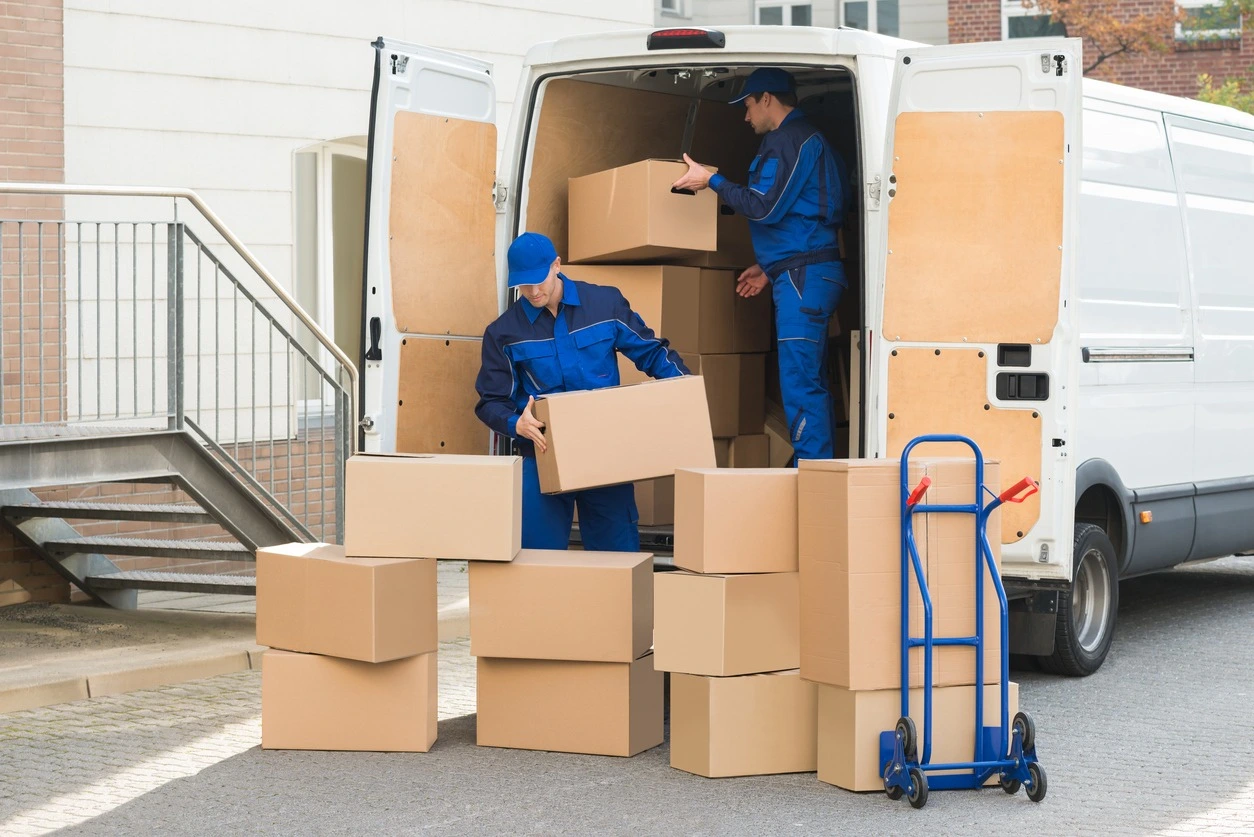
If you’re thinking about making the move, a little planning goes a long way. Relocating to a smaller city has its own rhythm, and the details that trip people up are rarely the big ones. It’s the game-day traffic, the August heat, and the old house with a narrow staircase. Many people find that lining up professional moving help in Opelika early takes a lot of pressure off, but even if you plan to handle most of it yourself, this guide will help you avoid the common surprises.
Key Takeaways
- Avoid scheduling your move on Auburn home football weekends, when local roads and services get busy.
- Plan around Alabama’s heat and summer storms by starting early in the day and protecting sensitive items.
- Visit neighborhoods in person, since historic homes and newer subdivisions come with very different moving challenges.
- Businesses should plan relocations around slow periods to keep customer disruption low.
- Short-term storage can bridge the gap between a home sale and a closing date.
- Settling in happens faster when you connect with local events, the downtown district, and neighbors.
Why People Are Choosing Opelika
Opelika sits in Lee County, right alongside Auburn, and the two cities blend together in daily life. You can live in a quiet neighborhood with a front porch and still be minutes from shopping, restaurants, and a major university. That combination appeals to a wide range of people.
Families like the community feel. Remote workers like the lower cost of living compared to larger metro areas. Retirees appreciate the walkable downtown and the golf courses nearby. Small business owners see a growing local economy with room to put down roots.
The city also has real character. The historic downtown along Railroad Avenue has kept its old storefronts, and the Northside Historic District features homes that date back generations. It feels lived-in rather than manufactured, which is part of the charm.
Timing Your Move the Smart Way
When you move matters almost as much as how you move. In Opelika, a few local factors can make one weekend easy and the next one frustrating.
Watch the Football Calendar
This is the tip most newcomers never hear until it’s too late. On Auburn home game weekends, the whole area fills up. Hotels book out, highways get crowded, and restaurants have long waits. If your moving truck is trying to navigate Interstate 85 or local roads on a game day, expect delays.
Check the football schedule before you lock in a date. A Tuesday move in October will almost always go smoother than a Saturday one.
Plan Around the Weather
Alabama summers are hot and humid. Moving in July or August means heavy lifting in heat that can wear anyone down by noon. Afternoon thunderstorms also pop up quickly and can soak boxes left sitting in a driveway.
Spring and fall tend to be the most comfortable seasons for a move. If summer is your only option, start early in the morning, keep water on hand, and have tarps or plastic covers ready. Electronics, photos, and wood furniture don’t handle humidity well, so load those items last and unload them first.
Consider the School Year
Families with kids often aim for early summer so children can start fresh at the beginning of the school year. That makes June a popular month, which means moving schedules fill up fast. Book your date several weeks ahead if you’re targeting that window.
Choosing the Right Neighborhood
Opelika offers a real mix of housing, and the type of home you choose will shape your moving day.
Historic Homes
Older homes in and around downtown are beautiful, but they come with quirks. Doorways may be narrower than modern standards. Staircases can be steep or tight. Some streets are lined with mature trees and parked cars that make it hard for a large truck to get close.
Before moving day, measure your larger furniture and compare it to door frames and hallways. A sofa that fit easily in a suburban ranch house might need to come apart to get into a 1920s bungalow. Knowing this ahead of time saves a lot of frustration.
Newer Subdivisions
Newer neighborhoods usually offer wider streets, attached garages, and open floor plans. These homes are generally easier to move into. However, some have homeowners’ associations with rules about when moving trucks can park or how long a storage container can sit in a driveway. Ask for those rules in writing before your move.
Rural and Edge-of-Town Properties
Some people head just outside city limits for more land and privacy. Gravel driveways, long approaches, and limited turnaround space can make truck access tricky. If that’s your situation, walk the property with truck access in mind and share those details with whoever is helping you move.
Packing Tips That Actually Help
Most moving advice about packing sounds the same. Label your boxes. Start early. Those tips are true, but a few less obvious habits make a bigger difference.
Pack by room and by priority. Mark boxes with both the room and a simple priority number. A “1” means you’ll need it the first night. A “3” means it can wait a week. This helps you unpack in a logical order instead of digging through twenty boxes looking for the coffee maker.
Build a first-night kit. Include bedding, a change of clothes, toiletries, phone chargers, medication, basic tools, paper towels, and a few snacks. Keep this kit in your car rather than the truck.
Protect against humidity. Use plastic bins for photos, documents, and anything sensitive to moisture. Cardboard can soften in damp conditions, especially if boxes sit in a garage for a while.
Declutter before you pack, not after. Moving items you don’t want costs time, money, and energy. Donate, sell, or recycle anything you haven’t used in a year. Your new home will feel more open, and you’ll unpack faster.
For people short on time, partial packing is a useful middle ground. You handle the everyday items, and trained packers take care of fragile or awkward pieces like mirrors, artwork, and kitchenware.
When Storage Makes Sense
Real estate timelines rarely line up perfectly. You might sell your old home before your new one is ready, or a closing date might slide by a week or two. Renovations can also take longer than expected.
Short-term storage fills that gap. Instead of cramming everything into a relative’s garage, you can keep your belongings secure until your new place is ready. Storage is also helpful for people downsizing, since it gives you time to decide what fits in the new space without rushing.
When comparing storage options, ask about climate control. Given the local humidity, it can protect wood furniture, electronics, and paper items from damage over a longer stay.
Relocating a Business in Opelika
Moving a business brings a different set of concerns. The biggest one is downtime. Every day your doors are closed or your team can’t work is a day of lost revenue.
Plan Around Your Slow Season
Retail shops might avoid the holiday season. Restaurants might pick a slow weekday. Offices often choose a weekend so staff can return Monday to a working setup. Think about when your customers need you least and build the move around that.
Communicate Early
Let customers know about your new location weeks in advance. Update your address on your website, online listings, and social media profiles. Put a sign on your old door pointing to the new spot. Small details like these keep regulars from getting confused.
Handle Technology First
Set up internet service, phones, and point-of-sale systems at the new location before moving day if possible. Nothing slows a reopening like waiting for an internet installation. Label cables and take photos of how equipment is connected before you unplug anything.
Settling Into Your New Community
The move itself ends when the last box is inside. Feeling at home takes a bit longer, and that part is just as important.
Explore Downtown
Downtown Opelika hosts seasonal events, local markets, and holiday celebrations throughout the year. Walking the district, grabbing lunch at a local spot, and browsing small shops is a simple way to get a feel for the city.
Get Outside
The area has parks, walking trails, and nearby golf courses on the well-known Robert Trent Jones Golf Trail. Spending time outdoors is also a natural way to meet neighbors who share your interests.
Take Care of the Practical Stuff
Within your first few weeks, update your driver’s license and vehicle registration, register to vote, and set up utilities in your name. Find a local doctor, dentist, and veterinarian before you actually need one. It’s much easier to make those calls when nothing is urgent.
Say Yes to Invitations
Southern hospitality is real in towns like Opelika. If a neighbor invites you to a cookout or a church event, go. Those early connections often turn into the relationships that make a new place feel like home.
Conclusion
Moving to Opelika is less about the boxes and more about the details that make the transition feel easy. Picking a date that avoids football weekends and peak summer heat can spare you hours of stress. Understanding the kind of home you’re moving into, whether it’s a historic bungalow or a newer build, helps you plan for narrow doorways, parking limits, or tricky driveways before they become problems.
Packing with a clear system, protecting your belongings from humidity, and keeping storage in mind for timeline gaps will keep things moving smoothly. Business owners can protect their revenue by planning around slow seasons and setting up technology early. Once you arrive, take the time to explore downtown, meet your neighbors, and handle the practical tasks early. Opelika rewards people who slow down and settle in, and with a thoughtful plan, your first weeks there can feel less like a move and more like the start of something good.
