

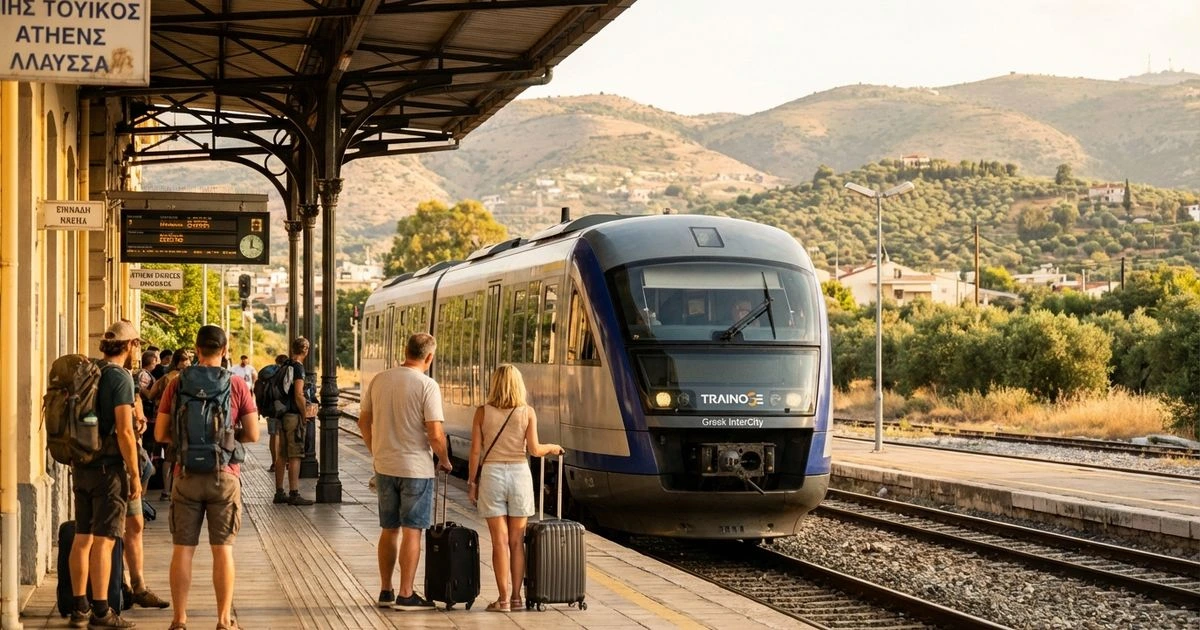
Traveling along the Mediterranean coastline by train is one of the easiest ways to explore Southern Europe. You get to skip the airport lines, avoid traffic jams and enjoy constant views of the deep blue sea right outside your window. From the rocky cliffs of Italy to the sun-soaked shores of southern France and eastern Spain, the tracks hug the shore almost the whole way. It is a slow, simple and scenic way to see small fishing towns and famous coastal cities on a single, continuous trip.
Planning the Classic Mediterranean Rail Route
Connecting the dots from Spain through France and down into Italy by rail takes less effort than most people expect. The network is dense, fast and well-managed. High-speed lines like the French TGV and Italian Frecciarossa handle the long stretches between major hubs, while local regional trains allow you to hop from one seaside village to the next without buying tickets weeks in advance.
When you arrive in a new coastal spot, evenings often bring a mix of local dining and casual downtime. Many travelers like to sit at an outdoor café with a cold spritz, wander through narrow stone alleys or simply rest back at their guest room. If you enjoy a bit of light digital gaming to pass an hour before sleep, checking out a trusted mobile platform like Mr Play is a common way to unwind. After that, it is easy to rest up before catching the next morning departure down the coast.
Choosing Your Core Train Services
Depending on your budget and how fast you want to move, you will deal with three main types of trains along this corridor:
- High-Speed Intercity Trains: Lines such as the Spanish AVE or French TGV run at up to 300 km/h, carrying you between big metro hubs like Barcelona and Marseille in a flash.
- Regional Coastal Lines (TER and Regionale): Slower, double-decker trains that stop at every small beach cove and fishing harbor. No seat reservations are required, so you can board with a basic ticket.
- Scenic Narrow-Gauge Lines: Short branch lines like the Train des Pignes in Provence or the Cinque Terre Express in Liguria, built specifically to navigate steep cliff faces.
Comparing Top Train Stops Along the Sea
To help pick where to step off the train, here is an overview of popular coastal stops, their travel times, typical costs and primary sights:
| Station Name | Country | Direct From Previous Stop | Average Fare (€) | Notable Shoreline Feature |
| Barcelona Sants | Spain | Route origin | Base | Barceloneta beach and seaside promenades |
| Collioure | France | 2 hrs 15 min from Barcelona | €19 – €35 | Historic royal castle sitting right on the bay |
| Nice-Ville | France | 4 hrs 10 min from Collioure | €38 – €65 | Promenade des Anglais and pebble beaches |
| Monaco-Monte-Carlo | Monaco | 22 min from Nice | €4.50 | Underground station carved into mountain rock |
| Ventimiglia | Italy | 35 min from Monaco | €5.50 | Border town with fresh open-air pasta markets |
| Monterosso | Italy | 2 hrs 40 min from Ventimiglia | €16 – €28 | Sandy swimming cove inside the Cinque Terre |
Managing Baggage and Local Stations
Navigating historic train stations requires a little bit of practical sense. Many older European stations along the Italian Riviera have steep stone stairs and narrow pedestrian tunnels beneath the platforms, often without working elevators. Traveling with a single carry-on roller bag or a sturdy 40-liter backpack makes quick platform changes far less tiring, especially when your transfer window is only seven or eight minutes.
Practical Tips for Buying Mediterranean Rail Passes
Getting your tickets sorted ahead of time saves money, but you do not need to overbook every single hour of your journey. High-speed trains require seat reservations, but local trains operate on flat, fixed fares that never go up on the day of travel.
- Use Direct Operator Apps: Download the SNCF Connect app for France, Trenitalia for Italy and Renfe for Spain so your tickets stay offline on your phone screen.
- Validate Paper Tickets: If you buy tickets at a station machine in Italy or France, remember to punch them in the little green or yellow validation boxes before boarding the train to avoid conductor fines.
- Grab Window Seats on the Right: When traveling eastward from Spain toward Italy, reserve a seat on the right-hand side of the carriage for uninterrupted water views.
Watching the Sunset from the Tracks
Traveling this coast by rail shows you the Mediterranean as one connected, living region rather than just scattered tourist stops. You step on board in one country, listen to the language shift across borders and watch olive groves turn into dramatic rocky sea coves outside your window. With a simple ticket in hand, minimal luggage and an open schedule, the train ride turns into the best part of the trip itself.
