

Getting your braces off feels like the finish line, but it’s really the start of a different phase of treatment. Your teeth look better, your bite may feel more balanced, and photos suddenly get easier. At the same time, your mouth is still adjusting. Bone, gum tissue, and muscle memory all play a role in what happens next. If you want your results to last, you need to understand what retention actually involves and how everyday habits can protect the work already done.
Your teeth are not “done” moving
When braces come off, many people assume the hard part is over. The visible hardware is gone, but your teeth are still biologically active. The periodontal ligament, which helps hold each tooth in place, has been under pressure for months or years. Once that pressure disappears, your teeth can drift.
That drift can happen fast. Even minor movement in the front teeth can change how your smile looks, and small bite shifts can affect chewing or jaw comfort. Orthodontists call this relapse, and it’s one of the biggest reasons patients need follow-up care.
You’re not being overly cautious by wearing a retainer exactly as prescribed. You’re protecting a result that took a long time to build. Retention is not a bonus step. It’s part of the treatment plan, and skipping it can undo progress quietly before you even notice.
Retainers are not one-size-fits-all
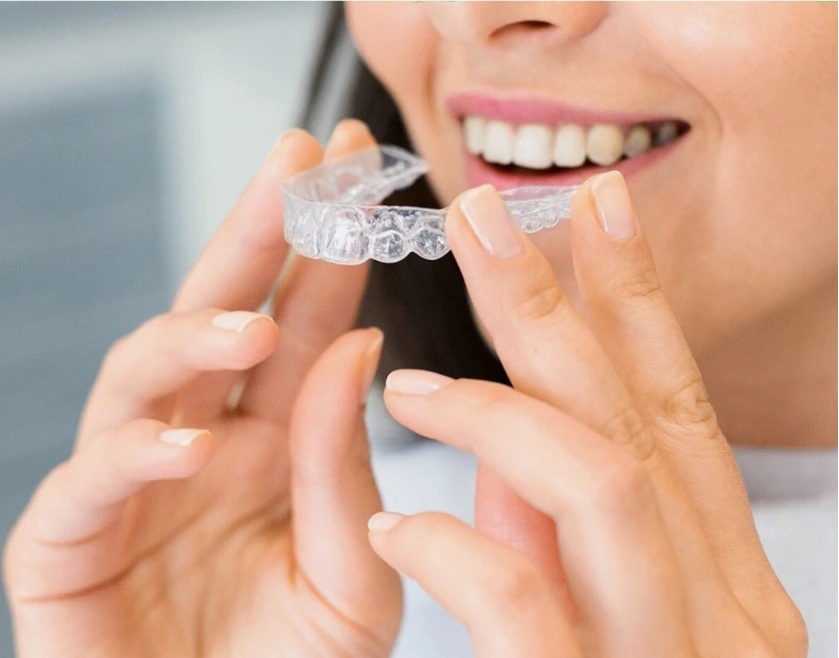
A lot of people hear the word “retainer” and picture one basic appliance. In reality, there are several designs, and each comes with trade-offs in comfort, durability, visibility, and maintenance. Your orthodontist may recommend clear removable trays, traditional Hawley retainers with acrylic and wire, or fixed bonded retainers attached behind certain teeth.
Your bite pattern, age, oral hygiene habits, and history of movement all matter when choosing a retainer. If you had severe crowding or spacing, your retention plan may be stricter than someone with a simpler case. If you play contact sports, instrument fit and speech may also be part of the decision.
Looking at retainer options after braces can help you understand how different retainers function in real life, not just in theory. The right choice usually balances predictability, comfort, and how likely you are to wear it consistently.
The first few months matter more than most people realize
Right after debonding, your teeth are at their most vulnerable to movement. This is the period when many orthodontists recommend full-time retainer wear, except during eating, brushing, or sports when appropriate. It may feel excessive at first, especially after finally being free from braces, but this window matters.
Think about what your mouth has to relearn. Your tongue position, lip pressure, chewing patterns, and nighttime clenching habits all influence alignment. If your retainer is missing for long stretches, those forces start winning again.
One common mistake is assuming a missed day or two doesn’t count. Sometimes it doesn’t. Sometimes it leads to a tighter fit that turns into a retainer you stop wearing because it feels uncomfortable. That cycle is how small movement becomes a larger problem. Consistency during the early retention period gives your teeth the best shot at settling into a stable position.
Daily care affects both fit and oral health
A retainer that looks clean isn’t always actually clean. Plaque, dried saliva, and bacteria build up quickly, especially on clear trays. If you only rinse it with water, you’re not removing much. Over time, that can lead to odor, cloudy plastic, and a surface that keeps collecting more debris.
Use a soft toothbrush and gentle soap if your orthodontist approves it, and follow any cleaning instructions for your specific appliance. Hot water is a bad idea because it can warp plastic. Toothpaste can also scratch some materials, making them look dull and making bacterial buildup easier.
Storage matters too. A surprising number of retainers get thrown away in napkins at restaurants or damaged by pets. Keep a case with you. If you use a bonded retainer, flossing tools like threaders or water flossers can make hygiene easier. A retainer only works when it still fits and your mouth stays healthy enough to support the alignment.
Your habits can quietly sabotage retention
You don’t need to ignore your retainer for months to create problems. A handful of common habits can slowly interfere with retention even when you think you’re doing fine. Grinding your teeth at night, biting your nails, chewing on pen caps, or using your front teeth to open packaging can all place unwanted force on the alignment.
Mouth breathing and tongue thrust can also affect stability, especially if they were part of your original orthodontic concerns. If your retainer keeps feeling tight, your speech suddenly changes with it, or you notice gaps or overlap returning, pay attention. Those are not random changes.
Wisdom teeth are often blamed for every shift, but they’re only one piece of a bigger picture. Retention failures usually come from multiple factors stacking together: skipped wear, poor fit, mechanical habits, and missed follow-up visits. Catching subtle changes early gives you far more options than waiting until movement becomes obvious.
Follow-up visits are part of long-term success
After braces, appointments may become less frequent, but they still matter. Retainers wear down, crack, distort, or stop fitting well. Bonded retainers can partially detach while still looking normal from a distance. You might not notice a problem until one tooth starts rotating.
At a follow-up visit, your orthodontic team can check appliance integrity, bite stability, and signs of early relapse. They can also adjust wear schedules. Some patients move from full-time wear to nights only. Others need a longer period of active retention because their teeth have a stronger tendency to shift.
These visits also give you a chance to bring up practical issues: speech concerns, gum irritation, cleaning problems, or whether it’s time for a replacement. Orthodontic retention is not static. Your plan may change as your mouth changes, and routine monitoring keeps those adjustments small instead of expensive.
What long-term retainer wear actually looks like
The phrase “wear your retainer forever” sounds dramatic, but in practice it usually means building a manageable habit. Many people settle into nighttime wear for the long term. That’s less intense than braces, but it still requires discipline. Teeth don’t stop being responsive just because you turned 18 or finished treatment years ago.
Long-term wear also protects you from the frustration of discovering movement after a lapse. If your retainer goes in easily every night, you’re maintaining stability. If it starts feeling very tight after a break, your teeth are sending you useful information.
A realistic mindset helps. Retainers are not punishment after braces. They’re maintenance, like replacing contact lenses or wearing a mouthguard for sports. If you treat retention as a normal part of looking after your smile, it becomes easier to stick with it and far less likely that you’ll need retreatment later.
Keeping your smile straight takes less effort than fixing relapse
Once braces are off, your next moves matter more than most people expect. Teeth can shift for biological reasons, behavioral reasons, and plain life reasons, including lost appliances and changing routines. None of that means your treatment was fragile. It means retention deserves the same attention braces did.
If you understand your appliance, clean it properly, wear it as directed, and show up for follow-up checks, you put yourself in a strong position. The goal isn’t perfection. The goal is protecting a result you worked hard for.
A straight smile after braces isn’t maintained by luck. It’s maintained by small, repeatable choices that keep your teeth where they were carefully guided to go.
