

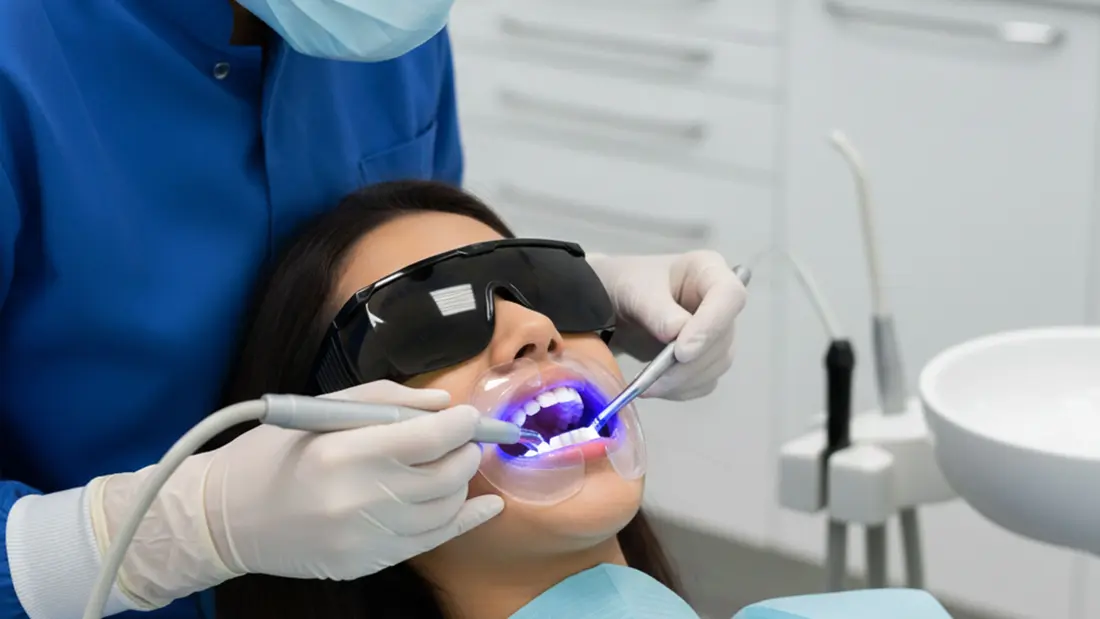
People who are anxious, afraid or uncomfortable when they receive dental care are turning to sedation dentistry. Dentists’ visits can be nerve-wracking for many, and that anxiety can often cause people to put off much-needed dental care. With modern methods of sedation be it SADC or IV, the experience becomes calmer and more comfortable for patients and they are able to receive the treatment they need without the fear that it may be overwhelming.
There are various degrees of sedation used and it depends on the procedure, the medical history of the patient and the amount of anxiety involved. There are two types of patients: Some are entirely awake and relaxed, and some may become totally relaxed and have little memory of the procedure. Sedation is often employed for longer or more complex dental procedures, and to make difficult procedures easier for anxious patients to tolerate.
This guide explains how sedation dentistry works, the types available, benefits, safety considerations, and what patients can expect before and after treatment.
What Is Sedation Dentistry?
Sedation dentistry involves the use of medication to help patients relax during dental procedures. It is sometimes called “sleep dentistry,” although most forms do not put patients completely to sleep.
The main aim is to minimise anxiety, discomfort and stress whilst enabling the dentist to deliver treatment safely and effectively. Used for minor treatments like cleanings, for patients who are extremely nervous; used for more complicated procedures like extraction, root canals, crowns, implants, and periodontal procedures.
Various drugs and administration techniques cause different degrees of relaxation. The most appropriate is determined by the dentist’s preference, needs, overall health and treatment plan.
Types of Sedation Used in Dentistry
Dentists may offer several sedation options, each with different levels of relaxation and recovery time.
|
Type |
How it is given |
Relaxation level |
|---|---|---|
|
Nitrous oxide |
Inhaled through a mask |
Mild |
|
Oral sedation |
Pill taken before treatment |
Mild–moderate |
|
IV sedation |
Medication through a vein |
Moderate–deep |
|
General anesthesia |
Hospital or specialized setting |
Deepest |
Nitrous Oxide
Nitrous oxide, often called laughing gas, is inhaled through a small mask placed over the nose. It produces a light feeling of relaxation and wears off quickly after the mask is removed. Most patients can drive themselves home afterward.
Oral Sedation
Oral sedation usually involves taking a prescribed pill before the appointment. Patients remain awake but feel drowsy and relaxed. Because the effects last longer than nitrous oxide, someone else is usually needed to drive the patient home.
IV Sedation
Intravenous sedation is given via a vein and produces a greater degree of relaxation. Patients rarely remember much about the procedure. Treatment is monitored continuously with vital signs.
General Anesthesia
General anesthesia is only used in special cases: multiple extensive oral surgeries, high dental anxiety, medical conditions, for patients who can’t coordinate well for dental treatment.
Who Can Benefit from Sedation Dentistry?
Sedation can help a wide range of patients, not only those with severe dental fear.
Common reasons include:
-
Dental anxiety or phobia
-
Previous traumatic dental experiences
-
Strong gag reflex
-
Difficulty becoming numb with local anesthesia
-
Sensitive teeth or gums
-
Need for extensive dental work in one visit
-
Difficulty sitting still for long periods
-
Certain physical or developmental conditions
Children and adults may both benefit from sedation when recommended by a qualified dentist.
Benefits of Sedation Dentistry
One of the biggest advantages of sedation is reduced anxiety. Patients often feel calmer before and during treatment, which makes dental visits more manageable.
Additional benefits include:
-
Greater comfort during procedures
-
Less awareness of dental instruments and sounds
-
Reduced gag reflex
-
Ability to complete multiple treatments in fewer visits
-
Improved cooperation during lengthy procedures
-
More positive future dental experiences
For many patients, sedation helps break the cycle of avoiding dental care, allowing them to maintain better oral health over time.
What Happens Before the Procedure?
Before recommending sedation, the dentist conducts a thorough evaluation. This typically includes a medical history review, discussion of medications, allergies, previous reactions to anesthesia, and assessment of overall health.
Patients receive specific instructions before the appointment. These may include:
-
Avoiding food or drink for several hours before treatment
-
Taking regular medications only as directed
-
Arranging transportation home if oral or IV sedation is planned
-
Wearing comfortable clothing
-
Bringing a responsible adult if required
Following these instructions carefully helps ensure a safe and smooth experience.
What to Expect During Treatment
The experience is different depending on the sedative used.
Nitrous oxide relaxes patients in minutes and they are conscious and able to communicate.
Oral sedation makes the patient drowsy and less conscious but may be able to follow directions.
IV sedation causes more relaxation. Many patients fall asleep during the surgery and do not recall much of what happened after the surgery.
The dental team will monitor breathing, heart rate, blood pressure and oxygen levels throughout treatment to ensure safety.
Local anesthesia is often still administered to minimize pain even if sedation is given.
Recovery and Aftercare
Recovery time varies according to the sedation method.
-
Nitrous oxide: effects wear off within minutes, and normal activities can often be resumed immediately.
-
Oral sedation: drowsiness may continue for several hours.
-
IV sedation: patients usually need the remainder of the day to rest.
-
General anesthesia: recovery may take longer and often involves additional monitoring.
After treatment, patients should:
-
Rest for the remainder of the day if advised
-
Avoid driving, operating machinery, or signing important documents until fully alert
-
Drink fluids and eat light meals as tolerated
-
Take prescribed medications exactly as directed
-
Contact the dental office if unusual symptoms occur, such as difficulty breathing, persistent vomiting, severe bleeding, or uncontrolled pain
Most patients recover without complications when instructions are followed carefully.
Is Sedation Dentistry Safe?
Sedation dentistry is generally very safe when performed by trained professionals using appropriate monitoring and patient screening. Dentists who provide sedation receive additional education in sedation techniques, emergency management, and patient monitoring.
Safety is improved by:
-
Careful medical evaluation
-
Appropriate patient selection
-
Accurate dosing
-
Continuous monitoring
-
Emergency preparedness
Always tell the dentist about any medical conditions, medicines, health supplements or recreational drugs that the patient takes. This information is necessary to ensure that there are no interactions between the two drugs and to guide the safest treatment plan.
Final Thought
Sedation dentistry helps make dental care more convenient for anyone that is anxious or frightened of dental treatment, finds it uncomfortable or has trouble staying still for long enough. Dentists can adjust to each person’s needs, keeping them safe and comfortable, by providing a choice of relaxation.
Sedation can make a stressful dental visit tolerable and can enhance the experience for both the dentist and patient, whether someone is going for a routine cleaning or for long-term restorative care. For those who haven’t taken a trip to the dentist in years, sedation gives them a much greater level of confidence that they will be able to get the care they need.
The only way to find out if sedation is right for a young person is to consult with a specialized dentist about the issues on a public basis. For those who would like to preserve their oral health without putting themselves at ease, sedation dentistry can be a great option for them with effective planning and professional care.
FAQs
What is sedation dentistry?
Sedation dentistry uses medication to help patients relax during dental procedures while still allowing treatment to be performed safely.
Will I be asleep during sedation dentistry?
Not always. Most forms of sedation keep patients awake but deeply relaxed. General anesthesia is the option that produces complete unconsciousness.
Is sedation dentistry safe?
Yes. It is generally safe when provided by trained dental professionals who monitor the patient carefully throughout treatment.
Can I drive home after sedation?
You can usually drive after nitrous oxide, but oral sedation, IV sedation, and general anesthesia typically require someone else to drive you home.
Who is a good candidate for sedation dentistry?
Patients with dental anxiety, a strong gag reflex, difficulty sitting still, sensitive teeth, or those needing extensive treatment may be good candidates.
Does sedation replace local anesthesia?
No. Local anesthesia is usually still used to prevent pain, while sedation mainly helps reduce anxiety and improve comfort.
