

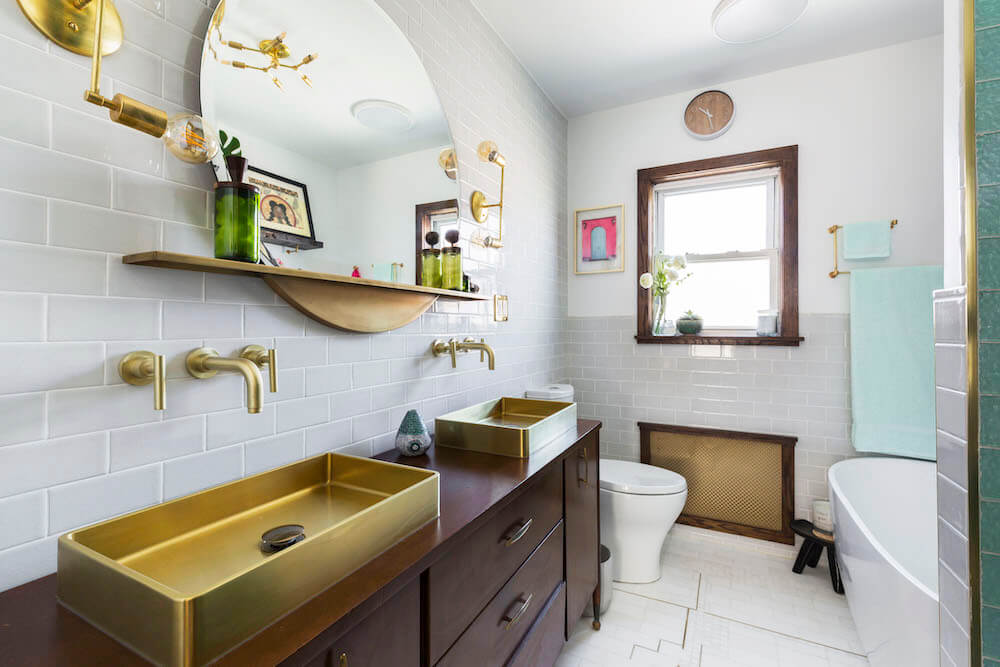
Small Bathroom Remodels are among the most rewarding home improvement projects because even modest changes can dramatically improve comfort, functionality, and visual appeal. While limited space may seem challenging, a well-planned remodel can make a compact bathroom feel larger, brighter, and more organized without requiring a major expansion.
Modern remodeling focuses on maximizing every square foot through efficient layouts, practical storage solutions, space-saving fixtures, and thoughtful design choices. Whether you’re updating an outdated guest bathroom, renovating a master ensuite, or improving a small apartment bathroom, careful planning can help you achieve impressive results while staying within your budget.
A successful remodel is not only about appearance. It should also improve everyday usability, increase storage, enhance lighting, and create a relaxing environment. Choosing the right materials, colors, fixtures, and accessories can significantly increase both comfort and property value.
This guide explains how to plan a small bathroom remodel, select the best design features, avoid common mistakes, and create a beautiful bathroom that feels much larger than its actual size.
Plan Your Bathroom Remodel Carefully
Every successful remodeling project begins with proper planning.
Start by evaluating how your bathroom is currently used and identifying its biggest limitations. Common issues include limited storage, poor lighting, outdated fixtures, and inefficient layouts.
Measure the room accurately before purchasing any materials or fixtures. Knowing the available dimensions helps prevent expensive mistakes and ensures everything fits comfortably.
Establish a realistic budget that includes labor, plumbing, electrical work, flooring, fixtures, cabinets, paint, and unexpected expenses.
Decide whether your remodel will focus primarily on appearance, functionality, or both. Understanding your priorities makes it easier to allocate your budget effectively.
Creating a simple floor plan before beginning construction allows you to visualize improvements while identifying potential layout challenges.
Careful preparation helps the remodeling process proceed more smoothly while reducing unnecessary costs.
An AI logo generator helps remodeling companies develop memorable branding for websites, business cards, and advertising materials.
Choose Space-Saving Fixtures
Selecting appropriately sized fixtures is one of the most effective ways to maximize a small bathroom.
Wall-mounted sinks create additional visible floor space, making compact bathrooms feel larger.
Floating vanities provide storage while allowing the floor beneath them to remain visible, enhancing the sense of openness.
Corner sinks and compact toilets are excellent choices for narrow layouts where every inch matters.
Replacing a large bathtub with a walk-in shower can dramatically increase usable floor space while creating a more modern appearance.
Frameless glass shower doors also improve visual openness because they allow uninterrupted sightlines across the room.
Modern fixtures are available in various sizes, making it easier to find options specifically designed for smaller bathrooms.
Space-efficient fixtures improve both functionality and aesthetics without sacrificing comfort.
Use Color and Lighting to Make the Room Feel Larger
Color and lighting have a powerful influence on how spacious a bathroom appears.
Light colors such as white, cream, soft gray, pale blue, and light beige reflect more light, creating brighter interiors.
Maintaining a consistent color palette throughout walls, floors, cabinetry, and accessories helps produce a clean, cohesive appearance.
Large mirrors visually expand small bathrooms by reflecting both natural and artificial light.
Layered lighting provides the best results. Combine ceiling lighting with vanity lights and accent lighting to eliminate shadows and improve visibility.
Natural light should always be maximized whenever possible through larger windows, skylights, or frosted glass that maintains privacy.
LED lighting offers energy efficiency while producing bright, attractive illumination.
Together, thoughtful color selection and effective lighting create bathrooms that feel significantly larger than their actual dimensions.
Add Smart Storage Solutions
Storage often becomes the biggest challenge in small bathrooms.
Vertical storage helps maximize available wall space without reducing floor area. Tall cabinets, floating shelves, and recessed niches provide valuable storage for toiletries and towels.
Medicine cabinets with mirrored doors combine storage and functionality while conserving space.
Vanities with built-in drawers help organize everyday essentials and reduce countertop clutter.
Hooks, towel bars, and over-the-door organizers provide additional storage without requiring large furniture pieces.
Storage baskets and decorative containers keep frequently used items neatly arranged while contributing to the overall design.
Minimizing visible clutter immediately makes small bathrooms appear cleaner, larger, and more relaxing.
Well-planned storage improves daily convenience while maintaining an organized appearance.
Select Durable and Attractive Materials
Bathroom materials should combine durability, moisture resistance, and visual appeal.
Porcelain and ceramic tiles remain popular choices because they resist water, are easy to clean, and are available in numerous styles.
Large-format tiles reduce grout lines, creating a cleaner appearance that visually enlarges the room.
Quartz countertops provide durability, stain resistance, and minimal maintenance requirements.
Moisture-resistant paint protects walls while maintaining an attractive finish in humid environments.
Water-resistant vinyl flooring has become increasingly popular because it combines affordability, durability, and realistic wood or stone appearances.
High-quality fixtures and hardware resist corrosion while maintaining their appearance for many years.
Choosing durable materials helps reduce maintenance while increasing the lifespan of the remodel.
Budget-Friendly Remodeling Tips
A beautiful bathroom remodel does not always require a complete renovation.
Painting walls and updating cabinetry can dramatically refresh the space at relatively low cost.
Replacing faucets, showerheads, cabinet handles, mirrors, and lighting fixtures provides noticeable improvements without extensive construction.
Refinishing an existing bathtub may cost significantly less than replacing it entirely.
Installing peel-and-stick backsplashes or updating accessories such as towels, rugs, and shower curtains offers affordable visual upgrades.
Retaining the existing plumbing layout also helps reduce renovation expenses because relocating pipes often increases labor costs substantially.
Prioritizing improvements with the greatest visual impact allows homeowners to maximize results while staying within budget.
Thoughtful spending often produces impressive transformations without unnecessary expense.
Common Mistakes to Avoid During a Remodel
Many remodeling challenges can be avoided through careful planning.
Choosing oversized vanities or fixtures often makes small bathrooms feel even more crowded.
Insufficient storage quickly leads to clutter, reducing both functionality and visual appeal.
Poor lighting creates dark spaces that appear smaller than they actually are.
Ignoring ventilation may result in moisture problems, mold growth, and long-term damage.
Using too many colors or decorative patterns can overwhelm compact spaces.
Skipping waterproofing measures during construction may lead to expensive repairs in the future.
Focusing only on appearance while neglecting functionality often reduces long-term satisfaction.
Balancing aesthetics with practicality produces the most successful remodeling outcomes.
Final Thought
Small Bathroom Remodels demonstrate that limited space does not limit design possibilities. With thoughtful planning, efficient layouts, smart storage, appropriate fixtures, durable materials, and effective lighting, even the smallest bathroom can become comfortable, functional, and visually appealing.
Successful remodeling focuses on improving both appearance and everyday usability. Every design choice should contribute to greater comfort, easier maintenance, and better organization while making the room feel more spacious.
Whether you’re planning a complete renovation or simply updating a few features, investing in practical improvements can significantly increase your home’s value while creating a bathroom that serves your family well for many years.
FAQs
How can I make a small bathroom look bigger?
Use light colors, large mirrors, frameless glass shower doors, floating vanities, and layered lighting to create a more spacious appearance.
What is the best flooring for a small bathroom?
Porcelain tile, ceramic tile, and waterproof luxury vinyl flooring are durable, moisture-resistant, and easy to maintain.
Is replacing a bathtub with a shower a good idea?
For many small bathrooms, replacing a large bathtub with a walk-in shower increases usable space and creates a more modern layout.
How can I add more storage to a small bathroom?
Install floating shelves, recessed wall niches, mirrored medicine cabinets, tall storage units, and vanities with built-in drawers.
Are small bathroom remodels worth the investment?
Yes. Well-designed bathroom remodels often improve daily comfort, increase home value, enhance functionality, and create a more attractive living space.
