

The sacred Govardhan Parikrama Distance is one of the most searched pilgrimage topics among Krishna devotees planning a visit to Govardhan near Mathura and Vrindavan. Every year, thousands of pilgrims walk the holy 21 km Govardhan Parikrama route to seek blessings and experience the spiritual energy of Govardhan Hill. Before starting this divine journey, many travelers want to know the exact Govardhan Parikrama Distance, important stopping points, route timing, and how much time the parikrama usually takes.
Completing the Govardhan Parikrama Distance is not only a physical walk but also a deeply spiritual experience connected to Lord Krishna’s life. The traditional route passes through sacred places like Daan Ghati, Radha Kund, Kusum Sarovar, and Mansi Ganga, making the 21 km Govardhan Parikrama route filled with devotion and history. First-time visitors often feel confused about the Govardhan Parikrama starting point, the best route to follow, and whether the full parikrama can be completed in one day.
If you are planning your pilgrimage in 2026, this detailed guide will help you understand every important part of the Govardhan Parikrama Distance in simple language. From the complete route map and temple stops to walking tips, timings, food facilities, and travel advice, this article covers everything you need for a smooth and peaceful journey. Whether you are visiting with family, elderly devotees, or solo, knowing the full Govardhan Parikrama Distance in advance can make your experience more comfortable and spiritually rewarding.
In this complete Govardhan Parikrama travel guide, you will also discover the best time to visit, ideal seasons for walking, important darshan points, and practical tips followed by experienced pilgrims. By the end of this article, you will have a clear understanding of the 21 km Govardhan Parikrama route and how to complete this sacred path with devotion, comfort, and proper planning.
Why the 21 km Govardhan Parikrama Route Is Considered So Sacred
The 21 km Govardhan Parikrama route is one of the holiest pilgrimage walks in India and holds immense importance in Krishna devotion. According to Hindu scriptures, Govardhan Hill is not an ordinary mountain but a living form of Lord Krishna himself. Devotees believe that walking the complete Govardhan Hill Parikrama distance with faith and humility brings divine blessings, spiritual peace, and inner purification.
The spiritual story of Govardhan begins when Lord Krishna lifted Govardhan Hill on his little finger to protect the people of Vrindavan from Lord Indra’s destructive storm. Since then, devotees have worshipped Govardhan Parvat as “Giriraj Maharaj,” the king of all sacred mountains. This is why millions of pilgrims complete the Govardhan Parikrama by foot every year, especially during Kartik month, Guru Purnima, and Govardhan Puja.
Unlike ordinary religious journeys, the Govardhan Parikrama route map passes through ancient kunds, forests, temples, samadhis, and Krishna leela sthals connected directly to Radha Krishna’s divine pastimes. Many saints say that even a single step on this sacred path gives spiritual merit equal to visiting several holy places across India.
Spiritual Importance of Govardhan Parikrama
| Spiritual Belief | Meaning for Devotees |
| Govardhan as Krishna | Govardhan Hill is worshipped as the direct form of Lord Krishna |
| Parikrama Removes Negativity | Devotees believe the walk purifies karma and negative energy |
| Blessings of Radha Rani | The route passes through sacred places connected to Radha Krishna |
| Mental Peace & Devotion | Chanting during parikrama brings spiritual calmness |
| Sacred Energy | Many saints meditate here due to the powerful spiritual vibrations |
Govardhan Parikrama Distance – Complete Route, Timing & Walking Guide
Understanding the exact Govardhan Parikrama Distance helps pilgrims prepare properly before beginning the journey. There are mainly two routes followed by devotees — the complete outer route called Badi Parikrama and the shorter inner route known as Chhoti Parikrama. Both routes are spiritually significant and visited throughout the year.
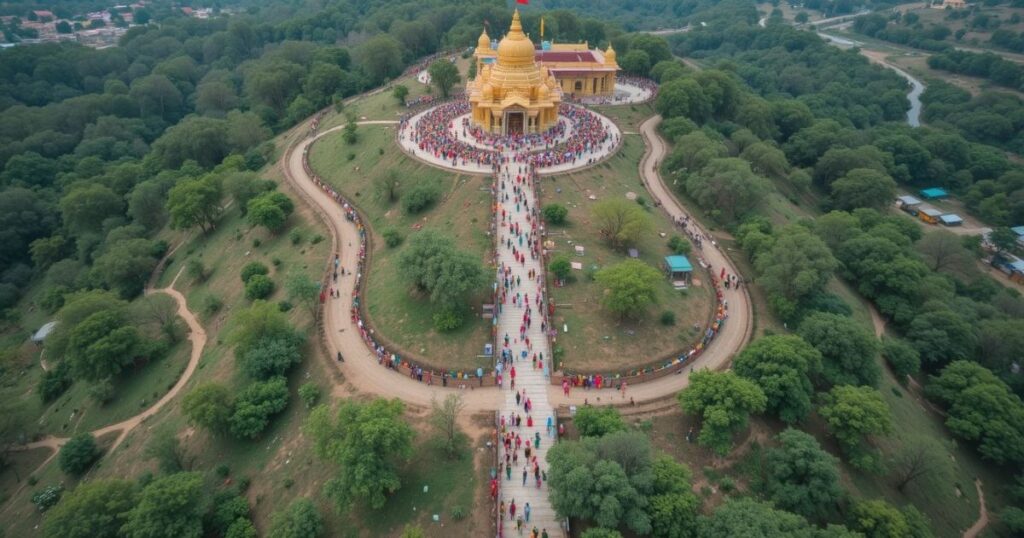
The traditional 21 km Govardhan Parikrama route is the most popular and covers all major temples, kunds, and sacred darshan points around Govardhan Hill. Pilgrims usually complete the full Govardhan Parikrama by foot while chanting the holy names of Radha and Krishna. The route is mostly flat, making it manageable for healthy adults and families.
Some elderly devotees and first-time travelers prefer the shorter route because it takes less time and energy. However, experienced pilgrims often recommend completing the full Govardhan Hill Parikrama distance at least once for the complete spiritual experience.
Total Govardhan Parikrama Distance Explained
The total Govardhan Parikrama Distance depends on the route you choose. The outer route is approximately 21 kilometers long, while the shorter inner route covers around 11 to 12 kilometers.
Govardhan Parikrama Route Variations
| Parikrama Type | Approx Distance | Ideal For | Average Time |
| Badi Govardhan Parikrama | 21 km | Full spiritual pilgrimage | 6–8 hours |
| Chhoti Govardhan Parikrama | 11–12 km | Elderly & families | 3–4 hours |
| Dandavat Parikrama | 21 km | Advanced devotees | Several days or weeks |
The 21 km Govardhan Parikrama route is considered the traditional path because it circles the entire sacred Govardhan Hill and includes all major pilgrimage points. Many devotees prefer starting early morning to avoid heat and complete the parikrama peacefully.
Govardhan Parikrama Time – How Long Does the Journey Take?
The total Govardhan Parikrama time depends on walking speed, temple visits, weather conditions, and crowd levels. Most healthy pilgrims complete the full 21 km Govardhan Parikrama route within 6 to 8 hours if they walk continuously with short breaks.
Devotees who stop for darshan, bhajan, prasad, photography, and meditation may take 9 to 10 hours. During festivals like Govardhan Puja and Guru Purnima, crowd congestion can increase the overall parikrama timing significantly.
Factors That Affect Govardhan Parikrama Timing
- Walking barefoot slows the pace naturally
- Temple darshan queues can increase waiting time
- Summer weather causes faster fatigue and dehydration
- Elderly pilgrims require more rest breaks
- Festival crowds make certain areas congested
- Night parikrama is slower due to visibility and devotional gatherings
Best Time to Start Govardhan Parikrama
| Time of Day | Experience |
| Early Morning (4 AM – 7 AM) | Cool weather and peaceful atmosphere |
| Evening (5 PM – 9 PM) | Pleasant temperature and beautiful temple lights |
| Midnight Parikrama | Popular among spiritual devotees during Kartik month |
Govardhan Parikrama Route Details – Important Sacred Stops
The Govardhan Parikrama route map is filled with sacred temples, kunds, ghats, and Krishna leela places. Every stop has deep mythological and spiritual significance connected to Lord Krishna and Radha Rani.
Pilgrims usually begin from Mansi Ganga Govardhan route and move clockwise around Govardhan Hill. The route is well-developed with shops, rest areas, drinking water stalls, dharmshalas, and local food points available throughout the journey.
Govardhan Parikrama Starting Point
The traditional Govardhan Parikrama starting point is Mansi Ganga, a sacred lake located in Govardhan town. Devotees often take blessings here before beginning the journey.
Another popular starting location is Daan Ghati, especially for pilgrims arriving from Mathura and Vrindavan. Both routes eventually connect to the same 21 km Govardhan Parikrama route.
Major Darshan Points on the Govardhan Parikrama Route
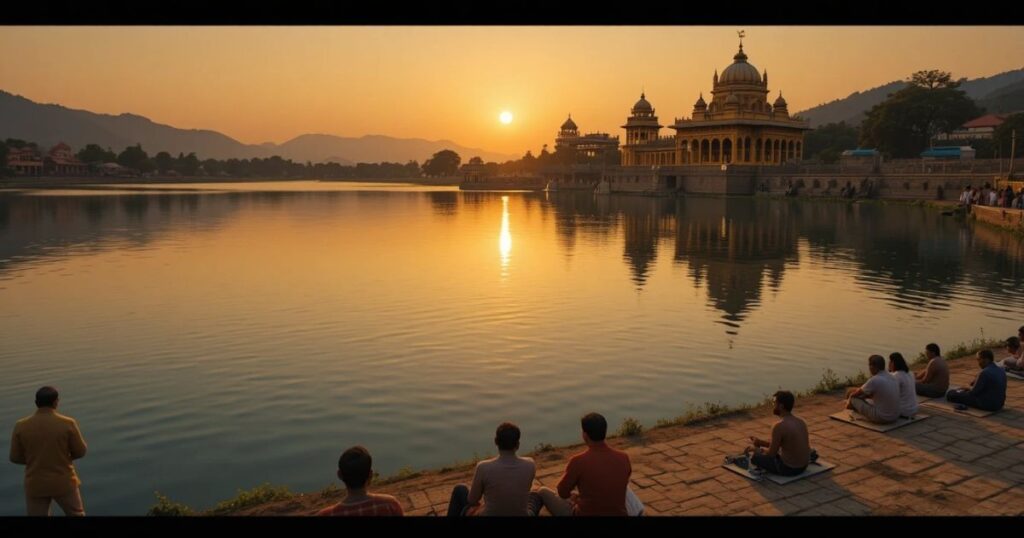
1. Daan Ghati Temple
Daan Ghati Govardhan Parikrama is among the most famous sections of the route. According to legends, Lord Krishna playfully stopped the gopis here and demanded “daan” (tax) before allowing them to pass.
This temple remains crowded throughout the year because devotees believe prayers offered here bring prosperity and protection. The morning and evening aarti create an unforgettable spiritual atmosphere.
Highlights of Daan Ghati
- Famous Krishna leela location
- Popular starting point for parikrama
- Beautiful decorated deity of Giriraj Maharaj
- Surrounded by prasad shops and dharmshalas
2. Radha Kund
Radha Kund is considered one of the holiest stops on the Govardhan Parikrama route. Devotees believe this sacred kund was personally created by Radha Rani and carries immense spiritual power.
The Radha Kund to Govardhan distance is short, making it an important stop during both Badi and Chhoti Parikrama. Pilgrims often sit here for meditation and chanting.
Spiritual Importance of Radha Kund
- Associated directly with Radha Krishna’s divine pastimes
- Considered highly sacred in Gaudiya Vaishnav tradition
- Popular place for deep meditation and bhajan
3. Kusum Sarovar
Kusum Sarovar is one of the most beautiful locations on the entire Govardhan Parikrama route map with stops. Surrounded by sandstone architecture and peaceful waters, this sacred place is linked to Radha Krishna flower pastimes.
Many pilgrims rest here because of its calm environment and scenic beauty. Sunrise and sunset views at Kusum Sarovar are especially stunning.
4. Poonchari Ka Lautha
Located near the far end of Govardhan Hill, Poonchari Ka Lautha represents the tail portion of the sacred hill according to ancient belief. The atmosphere here feels peaceful compared to the busier town areas.
This location is popular among saints and long-distance pilgrims seeking silent prayer and meditation during the parikrama.
5. Jatipura
Jatipura is an important devotional village on the Govardhan pilgrimage guide 2026 route. It is famous for Giriraj Ji darshan and traditional bhog offerings made to Govardhan Maharaj.
Pilgrims often stop here for:
- Prasad meals
- Water and rest facilities
- Temple darshan
- Buying devotional items
Mathura to Govardhan Distance
Many travelers first arrive in Mathura before visiting Govardhan. The Mathura to Govardhan distance is approximately 22 to 25 kilometers depending on the route taken.
Travel Options from Mathura to Govardhan
| Transport Option | Approx Time |
| Taxi or Cab | 40–50 minutes |
| Auto Rickshaw | 1 hour |
| Local Bus | 1–1.5 hours |
Vrindavan is also located nearby, making it easy for pilgrims to combine Mathura, Vrindavan, and Govardhan in one spiritual trip.
Chhoti Govardhan Parikrama Route – Inner Sacred Route Near Govardhan Hill
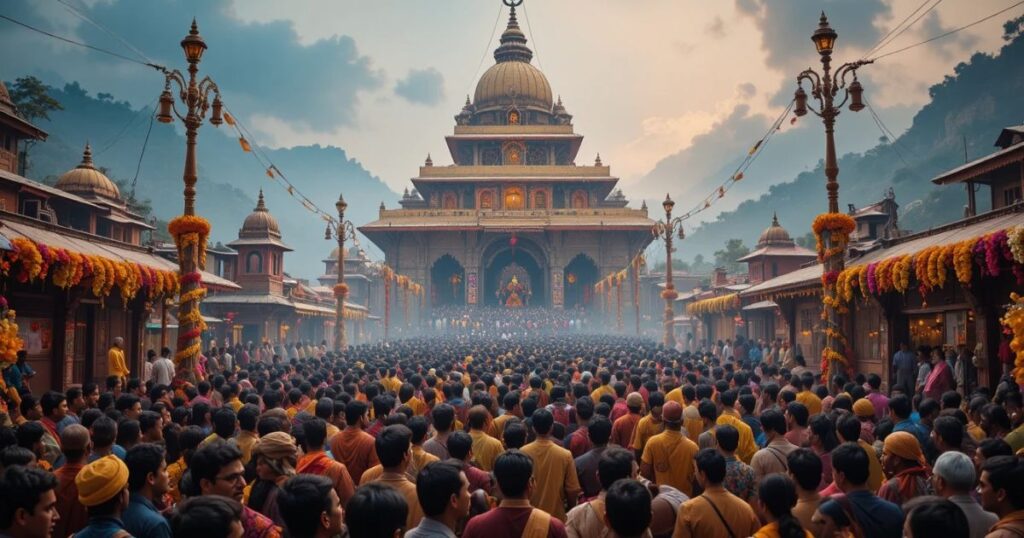
The Chhoti Govardhan Parikrama Route is the shorter and more peaceful version of the famous 21 km Govardhan Parikrama route. Covering around 11 to 12 kilometers, this inner path stays much closer to Govardhan Hill and passes through some of the most spiritually powerful locations connected to Radha Krishna. Many devotees believe the Chhoti Parikrama offers a more personal and devotional experience because pilgrims remain near the sacred hill throughout the journey.
This route is highly recommended for elderly pilgrims, families with children, first-time visitors, and travelers who want to complete Govardhan Parikrama in one day without physical exhaustion. Despite being shorter, the Chhoti Govardhan Parikrama route includes major darshan points like Radha Kund, Shyam Kund, Kusum Sarovar, Mansi Ganga, and Uddhav Kund, making it spiritually complete for many devotees.
Unlike the outer route, the inner Govardhan Parikrama route map passes through narrower pathways, traditional temple lanes, ancient ghats, and peaceful devotional areas. During Kartik month and Govardhan Puja, thousands of pilgrims prefer this route because it allows easier temple darshan and shorter walking time.
Chhoti Govardhan Parikrama Route Details
| Route Type | Approx Distance | Average Time | Best For |
| Chhoti Govardhan Parikrama | 11–12 km | 3–5 hours | Elderly, families, beginners |
| Route Style | Inner Sacred Route | Close to Govardhan Hill | Spiritual seekers |
Important Stops on the Chhoti Govardhan Parikrama Route
1. Lakshmi Narayan Temple
Lakshmi Narayan Mandir is among the peaceful temple stops on the Govardhan Parikrama route. Devotees often begin their inner parikrama here after offering prayers to Lord Vishnu and Goddess Lakshmi for protection, prosperity, and a successful pilgrimage.
The temple atmosphere feels calm and devotional during early morning hours. Priests here usually apply sacred tilak to pilgrims before they continue their journey around Govardhan Hill.
Why Pilgrims Visit Lakshmi Narayan Temple
- Peaceful start for Chhoti Parikrama
- Beautiful traditional temple architecture
- Morning aarti creates spiritual atmosphere
- Popular blessing point before beginning the walk
2. Uddhav Kund
Uddhav Kund is one of the most emotional and spiritually meaningful locations on the Govardhan Parikrama route map. According to Vaishnava tradition, this sacred kund is connected to Uddhava, the close friend and messenger of Lord Krishna.
It is believed that Uddhava visited this place to deliver Krishna’s message to the gopis of Vrindavan. The kund represents divine love, devotion, and separation from Krishna.
Spiritual Highlights of Uddhav Kund
- Associated with Bhagavata Purana stories
- Ideal place for meditation and chanting
- Calm environment away from heavy crowds
- Sacred water used for ritual purification
3. Radha Kund – Most Sacred Stop of Govardhan Parikrama
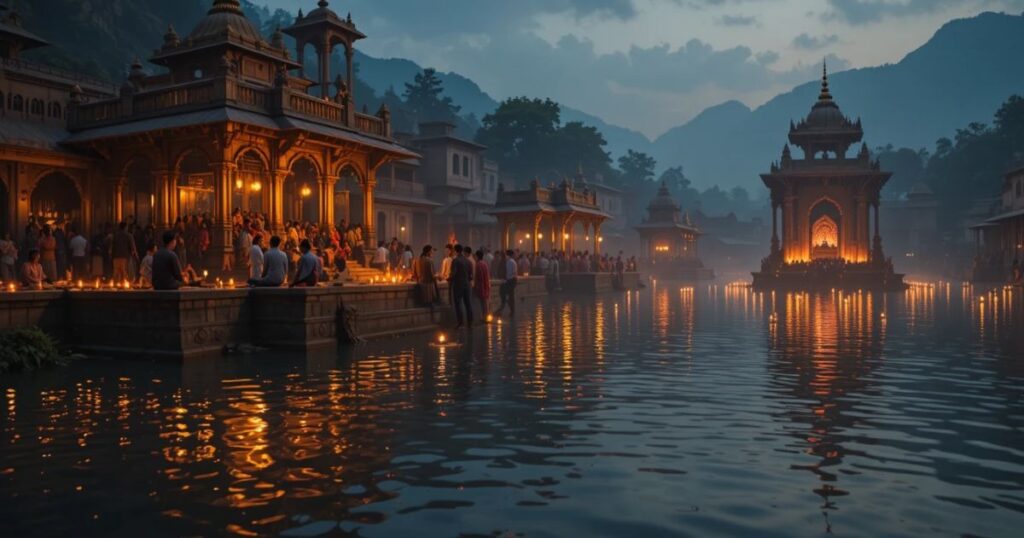
Radha Kund is considered the spiritual heart of the entire Govardhan Parikrama complete guide. Among Gaudiya Vaishnav devotees, this kund is regarded as the holiest water body connected to Radha Rani.
The Govardhan Parikrama route passes directly beside Radha Kund, and thousands of pilgrims stop here for darshan, prayer, and holy bathing during auspicious occasions. The atmosphere around the kund becomes especially divine during midnight bhajans and Kartik month celebrations.
Radha Kund Spiritual Significance
- Connected directly to Radha Krishna leelas
- Considered more sacred than many holy rivers
- Major destination during Bahulastami festival
- Surrounded by ancient ashrams and saints
Radha Kund to Govardhan Distance
The Radha Kund to Govardhan distance is approximately 5 to 6 kilometers depending on the route taken. Pilgrims usually reach this point midway during the Chhoti Parikrama.
4. Shyam Kund
Located beside Radha Kund, Shyam Kund is associated with Lord Krishna himself. Together, Radha Kund and Shyam Kund symbolize the eternal divine union of Radha and Krishna.
Most pilgrims visit both kunds together because scriptures mention that bathing in these sacred waters brings spiritual purification and devotional blessings.
Key Features of Shyam Kund
- Sacred Krishna bathing kund
- Important stop during night parikrama
- Popular location for deep meditation
- Visited together with Radha Kund
5. Kusum Sarovar
Kusum Sarovar is one of the most scenic and photographed places on the entire Govardhan Parikrama route. This magnificent sandstone reservoir is surrounded by ancient-style architecture, beautiful ghats, and peaceful gardens.
According to legends, Radha Rani and the gopis collected flowers here for Krishna’s worship. Today, pilgrims stop at Kusum Sarovar for rest, meditation, photography, and evening darshan.
Why Kusum Sarovar Is Special
| Attraction | Details |
| Architecture | Beautiful red sandstone design |
| Spiritual Value | Connected to Radha Krishna flower pastimes |
| Best Visiting Time | Sunrise and sunset |
| Pilgrim Facilities | Rest areas and sitting ghats |
6. Kaan Wale Baba Temple
Kaan Wale Baba is a unique and highly visited spiritual stop on the Chhoti Govardhan Parikrama route. Devotees whisper their wishes and prayers here because locals believe the saint fulfills sincere desires.
This small temple attracts long lines of pilgrims during weekends and festival seasons. Even visitors unfamiliar with the tradition often feel emotionally connected to the peaceful devotional atmosphere.
Devotional Experience at Kaan Wale Baba
- Pilgrims whisper prayers into the temple wall
- Believed to fulfill heartfelt wishes
- Popular among families and couples
- Quiet and spiritually calming environment
7. Mansi Ganga – Traditional Govardhan Parikrama Starting Point
Mansi Ganga is the most important and traditional Govardhan Parikrama starting point for both the 21 km Govardhan Parikrama route and the Chhoti Parikrama. According to mythology, Lord Krishna manifested this sacred lake through his divine mind to fulfill the wishes of devotees unable to visit River Ganga.
Pilgrims usually begin and end their Govardhan Parikrama by foot at Mansi Ganga after taking blessings and holy water.
Mansi Ganga Govardhan Route Highlights
- Main starting and ending point of parikrama
- Evening aarti and floating lamps create divine atmosphere
- Surrounded by temples, shops, and dharmshalas
- Most crowded during Kartik month and Govardhan Puja
Govardhan Parikrama Timings, Best Season & Travel Tips
Planning your Govardhan pilgrimage guide 2026 properly can make the journey safer, smoother, and spiritually more fulfilling. Weather, crowd levels, and Govardhan Parikrama time all affect the overall experience significantly.
Best Govardhan Parikrama Timing
The ideal Govardhan Parikrama timing is early morning between 4:00 AM and 6:00 AM. During these hours, the weather remains cool, the crowd is lighter, and the spiritual atmosphere feels deeply peaceful.
Many experienced devotees also prefer Govardhan Parikrama night timing during Kartik month because the route becomes filled with devotional chanting, temple lights, and bhajans.
Best Time Slots for Govardhan Parikrama
| Time | Experience |
| 4 AM – 7 AM | Cool weather and peaceful environment |
| 5 PM – 9 PM | Pleasant evening atmosphere |
| Midnight During Kartik | Highly spiritual devotional experience |
Best Season for Govardhan Parikrama
| Season | Weather | Crowd Level | Recommended For |
| October to March | Cool & comfortable | Moderate to high | Best overall experience |
| July to September | Rainy & devotional | Medium | Spiritual seekers |
| April to June | Very hot | Lower crowds | Early morning walks only |
The Kartik month period after Diwali is considered the most sacred time to complete the Govardhan Hill Parikrama distance. However, crowd levels become extremely high during this season.
Important Rules During Govardhan Parikrama
Following traditional customs shows respect toward Govardhan Hill and local devotional practices.
Essential Govardhan Parikrama Rules
- Complete the parikrama in clockwise direction only
- Avoid footwear on the sacred route whenever possible
- Do not consume non-vegetarian food or alcohol
- Wear modest and comfortable clothing
- Avoid throwing plastic or garbage on the path
- Maintain devotional atmosphere and avoid loud behavior
- Respect temples, saints, and local traditions
Practical Tips for Govardhan Parikrama by Foot
Completing the Govardhan Parikrama by foot becomes easier when pilgrims prepare properly before starting the journey.
Useful Travel Tips
- Carry 2–3 liters of drinking water
- Keep ORS or glucose for hydration
- Use cotton socks if barefoot walking becomes difficult
- Carry small cash notes for donations and prasad
- Eat light food before beginning the walk
- Take rest breaks near temple areas and kunds
- Keep a flashlight for Govardhan Parikrama night timing
Govardhan Parikrama Map With Stops
A proper Govardhan Parikrama route map helps pilgrims navigate important temples and sacred points easily. Printed maps are available near Mansi Ganga, Jatipura, and Daan Ghati areas.
For digital navigation, many devotees now use:
Govardhan Parikrama Map
Hiring a local guide can also improve your experience because they explain hidden stories, darshan points, and lesser-known sacred locations during the parikrama.
Govardhan Parikrama by Rickshaw Price
Not every devotee can complete the full Govardhan Parikrama Distance on foot. Elderly pilgrims and families often prefer cycle rickshaws or e-rickshaws for a comfortable spiritual journey.
Approximate Govardhan Parikrama Rickshaw Charges
| Transport Option | Approx Price | Total Time |
| Cycle Rickshaw | ₹300 – ₹500 | 3–4 hours |
| E-Rickshaw | ₹400 – ₹700 | 2–3 hours |
| Shared Rickshaw | Lower cost | Depends on crowd |
Most rickshaw drivers stop at important Govardhan Parikrama darshan points including Daan Ghati, Radha Kund, Kusum Sarovar, and Mansi Ganga.
History of Govardhan Parikrama
The history of Govardhan Parikrama dates back thousands of years to Lord Krishna’s divine pastimes in Braj Bhoomi. Scriptures mention that Krishna encouraged the people of Vrindavan to worship Govardhan Hill instead of Lord Indra, leading to the famous Govardhan Leela.
Over time, saints like Vallabhacharya and Chaitanya Mahaprabhu helped spread the tradition of Govardhan Parikrama across India. Today, devotees from around the world visit Govardhan to complete this sacred pilgrimage and experience the spiritual energy of Braj.
FAQs
How Much Time Does the Govardhan Parikrama Distance Guide Recommend for the Full Route?
The full 21 km Govardhan Parikrama usually takes around 5 to 8 hours depending on your walking speed and temple stops. Pilgrims who stop for darshan, prasad, and rest may take longer to complete the journey. Early morning is considered the best time to begin because the weather remains cooler and the path is less crowded. During festival seasons, the route may take extra time due to heavy devotional gatherings.
What Is the Best Starting Point in the Govardhan Parikrama Distance Guide?
Mansi Ganga is considered the traditional starting point for the parikrama. Many devotees begin their spiritual walk here after offering prayers and taking blessings. Daan Ghati is another popular starting location because it connects easily to the main route. Both places provide access to temples, shops, and basic pilgrim facilities before beginning the journey.
Is the Govardhan Parikrama Distance Guide Suitable for Elderly Pilgrims?
Yes, elderly pilgrims can comfortably complete the shorter Chhoti Parikrama route which covers around 11 to 12 km. Many devotees also choose cycle rickshaws or e-rickshaws for a more relaxed experience. Rest points, temples, and water stalls are available throughout the route. Starting early and walking slowly helps senior pilgrims enjoy the journey safely.
Which Season Is Best According to the Govardhan Parikrama Distance Guide?
The winter season from October to March is considered the best time for Govardhan Parikrama. The weather stays cool and comfortable, making long-distance walking easier for pilgrims. Kartik month after Diwali is especially sacred and attracts thousands of devotees from across India. Summer months can become very hot, so morning parikrama is recommended during that time.
Can Families Complete the Govardhan Parikrama Distance Guide in One Day?
Yes, most families complete the parikrama in one day without difficulty. The route is mostly flat and includes many places to rest, eat, and refresh. Families with children often prefer the shorter route or use rickshaws for convenience. Proper planning, light food, and carrying enough water make the experience smoother and more enjoyable.
Why Is the Govardhan Parikrama Distance Guide Spiritually Important?
Govardhan Parikrama is believed to bring spiritual peace, devotion, and blessings from Lord Krishna. Walking around Govardhan Hill symbolizes surrender, faith, and gratitude toward the divine. Many scriptures describe Govardhan as a sacred form of Krishna himself. Devotees feel emotionally connected to the holy atmosphere throughout the journey.
Are There Food and Stay Facilities on the Govardhan Parikrama Route?
Yes, the route has many dharmshalas, guest houses, small hotels, and food stalls for pilgrims. Simple vegetarian meals, tea, water, and snacks are available at most major stops. Areas like Mansi Ganga, Radha Kund, and Daan Ghati have better accommodation options. Pilgrims visiting during festivals should book rooms in advance because crowds become very large.
What Should Pilgrims Carry During Govardhan Parikrama?
Pilgrims should carry drinking water, comfortable clothing, small cash notes, and basic medicines during the walk. A flashlight is useful for night parikrama, especially during Kartik month. Cotton socks can help protect feet while walking barefoot on rough sections of the route. Keeping luggage light makes the long walk easier and more comfortable.
Conclusion
The sacred journey around Govardhan Hill is much more than a simple pilgrimage walk. This Govardhan Parikrama Distance Guide helps devotees understand the complete 21 km route, important temple stops, timings, and spiritual significance before starting the journey. From Mansi Ganga and Daan Ghati to Radha Kund and Kusum Sarovar, every stop holds deep devotional importance. Pilgrims experience peace, faith, and a strong spiritual connection while walking this holy path. Proper planning, comfortable timing, and knowledge of the route make the parikrama smoother and more meaningful for every visitor.
Completing the holy route leaves devotees with unforgettable memories and spiritual satisfaction. This Govardhan Parikrama Distance Guide also explains practical tips, seasonal advice, travel options, and important traditions followed during the pilgrimage. Whether you choose the full 21 km route or the shorter inner parikrama, the experience remains deeply rewarding and spiritually uplifting. Thousands of devotees visit Govardhan every year seeking blessings, inner calm, and divine grace. Every step taken around Govardhan Hill becomes a symbol of devotion, surrender, and love for Lord Krishna.
Read More:
Bangalore Jagannath Temple: Complete Guide to History, Timings, Festivals & Mahaprasad
